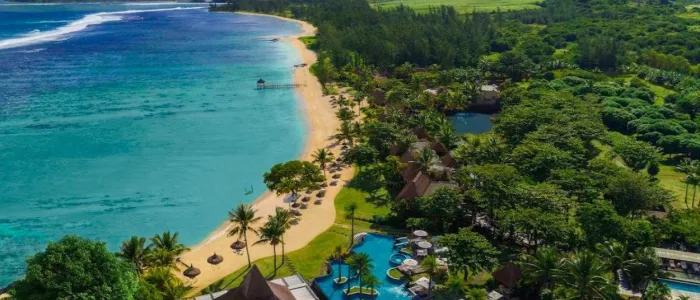
Shanti Maurice Resort & Spa
MAURITIUS, MAURITIUS
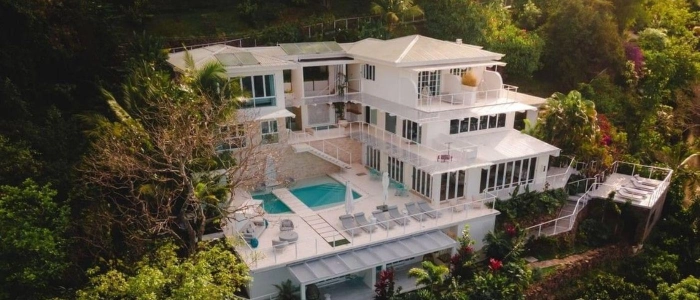
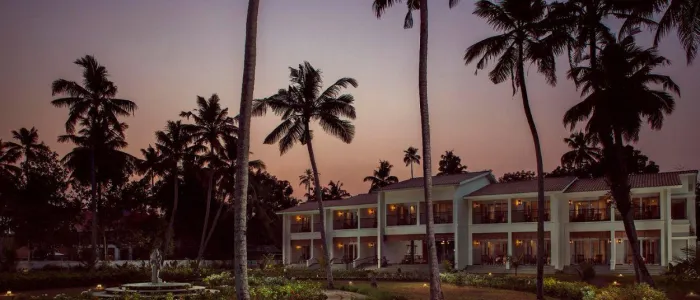
Shanti Maurice charms with a magical setting – think tropical gardens, private ivory beaches and a sheltered cove with a rainbow-hued coral reef. Then there’s a choice of palm-fringed pools, a great line-up of restaurants, and Mauritius’ largest spa…
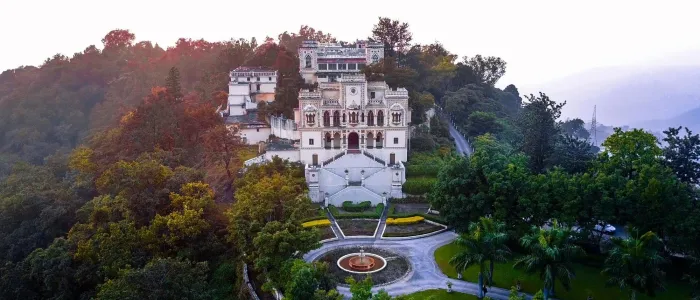
Ananda in the Himalayas
UTTARAKHAND, INDIA
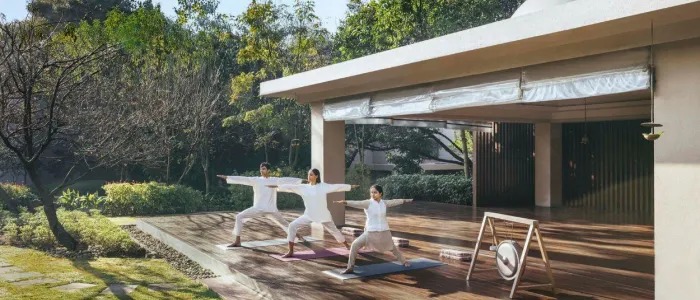
Famous for its seclusion and elegance, Ananda has hosted British royalty and Hollywood stars, making it one of India’s most celebrated wellness destinations. Its location is as dreamy as it gets, too – part of the 100-acre Maharaja Palace Estate, fringed by forest greens and overlooking the Rive
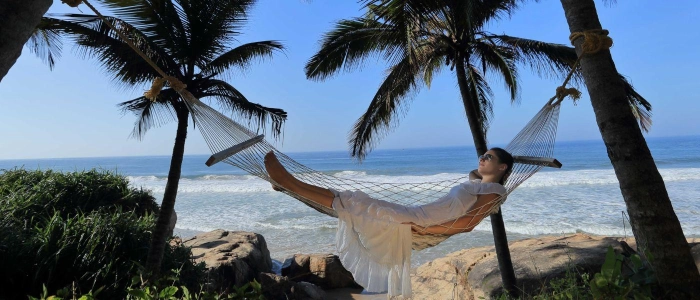
Manaltheeram Ayurveda Beach Resort
TRIVANDRUM, INDIA
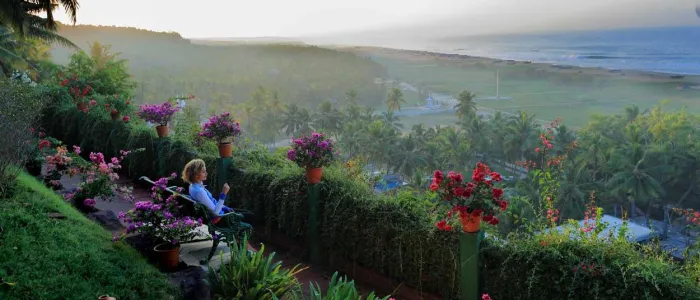
If you’re searching for authentic Ayurveda in a tropical setting – in the birthplace of the ancient healing system, no less – this retreat should be on your list. Cloaked in palm trees and on Kerala’s Chowara Beach, it feels wonderfully removed from the everyday, and promises personalised we
Somatheeram Ayurveda Beach Resort
TRIVANDRUM, INDIA
With a setting on the buttery sands of Chowara Beach in Kerala, Somatheeram is an award-winning Ayurvedic resort where traditional architecture, dosha-based healing and daily yoga come together. Guests rate this serene, adults-only retreat for its ability to restore balance in tranquil, tropical sur
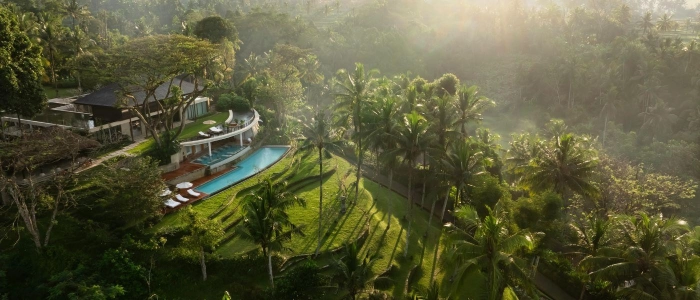
COMO Shambhala Estate
GIANYAR, BALI, BALI
A jungle-cloaked estate with a romantic design, the COMO Shambhala has everything you need in a wellness escape, including holistic treatments and hidden pools. It’s widely considered one of the world’s best, too – recognised by the likes of Vogue and Condé Nast Traveller.
OCÉANO Health Spa Hotel
SANTA CRUZ DE TENERIFE, TENERIFE
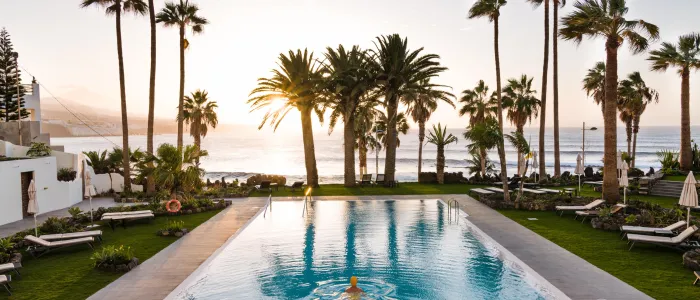
Whether you’re looking for a transformative Mayr detox or a relaxing break made up of sunshine and spa treatments, this contemporary oceanfront hotel will win you over. It’s wonderfully secluded, with views of the mountains, ancient woodland and Tenerife’s rugged coastline.
Alpino Atlantico
CANICO, FUNCHAL, MADEIRA
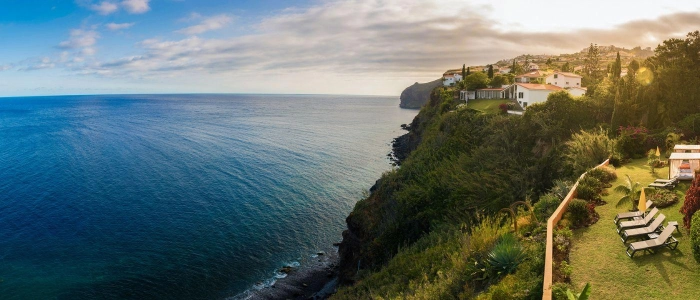
Alpino Atlantico is an adults-only retreat for authentic Ayurvedic healing, with a peaceful spot on Madeira’s south east coast. Expect personalised therapies, fresh vegetarian cuisine, yoga, meditation, and panoramic Atlantic views. Guests also have access to nearby spa and fitness facilities at t
SwaSwara
KARNATAKA , INDIA
This serene, eco-conscious retreat is surrounded by coconut groves above Om Beach, where traditional villas and open courtyards immerse guests in nature. Daily yoga, meditation, Ayurveda treatments, and nourishing cuisine are designed to restore balance, while art classes, storytelling, and beach wa
Sen Wellness Sanctuary
TANGALLE, SRI LANKA
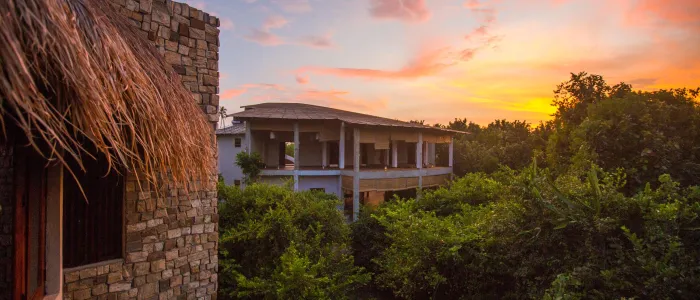
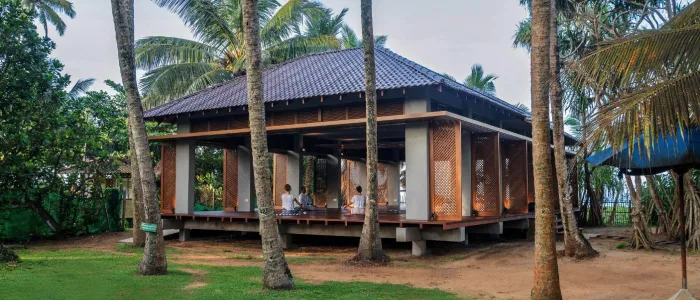
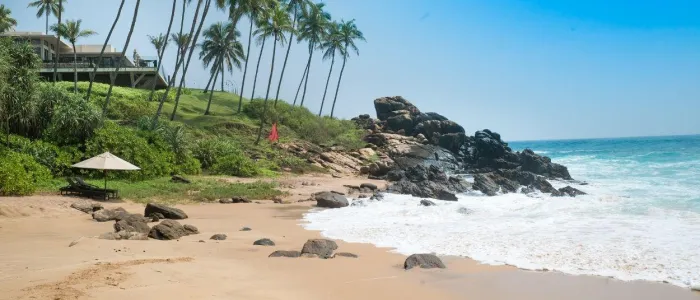
Looking for a restorative, adults-only escape in exotic surrounds? Sen Wellness Sanctuary is just the place. This intimate, eco-conscious retreat is nestled in the rainforest, close to caramel sands on Sri Lanka’s southern coast. Guests can look forward to personalised Ayurveda, yoga, meditation a
The Retreat
ALTOS, COSTA RICA
Perched on a mountain ridge in rural Costa Rica, The Retreat was founded by celebrity chef, best-selling author and health and wellness coach, Diana Stobo. Her vision was to create an adults-only wellness sanctuary in the heart of the rainforest, designed as a place for genuine transformation.
Mangosteen Ayurveda & Wellness Resort
PHUKET, THAILAND
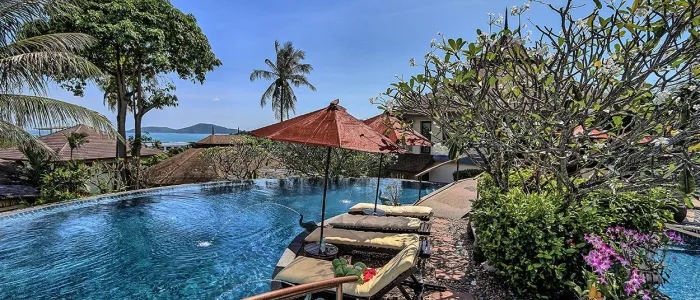
This adults-only boutique hideaway has it all – a cloak of tropical greenery, nourishing food, a peaceful pool scene and, unusually for Thailand, a top-notch Ayurveda wellness offering. It’s also well-placed for exploring Phuket’s vibrant temples, cafés and beauty spots.
Santani Wellness Resort & Spa
KANDY, SRI LANKA
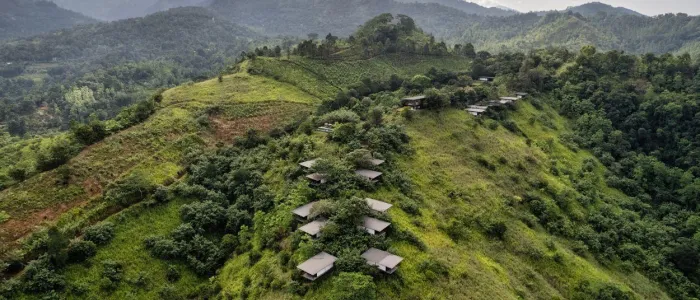
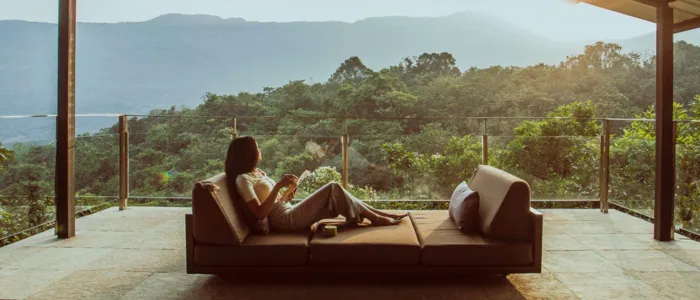
Nestled in the lush hills near Kandy, overlooking the Knuckles Mountain Range, Santani Wellness Resort is a secluded retreat where contemporary design, nature and holistic wellbeing come together. Internationally recognised and with two Michelin keys, it stands out for its exceptional sense of place
Siddhalepa Ayurveda Health Resort
WADDUWA, SRI LANKA
This intimate, adults-only retreat is for those seeking an authentic Ayurveda healing experience, with a team of doctors on hand to build a programme especially for your needs. You couldn’t ask for a better setting for inner reflection, either – the resort’s exotic gardens lead down to a golde
AyurSoma Ayurveda Retreat
TRIVANDRUM, INDIA
The newest member of the respected Somatheeram Ayurveda Hospitals group, AyurSoma offers personalised Ayurvedic therapies, Panchakarma programmes, yoga and meditation in a palatial-like resort on Chowara Beach. There’s also a heated outdoor pool for relaxing dips, organic cuisine to enjoy, and tro
Anantara Peace Haven Tangalle Resort
TANGALLE, SRI LANKA
This luxury resort is tucked among 22 acres of tropical greenery on Sri Lanka’s south coast. It’s a great base if you want to explore the island, but there’s so much to enjoy here you might not want to leave. Relax on the private beach, lounge by the pool with a fresh coconut, or enjoy an auth
Six Senses Vana
DEHRADUN, INDIA
The renowned Six Senses’ first dedicated wellbeing retreat, this tranquil healing hideaway is in the forested foothills of the Himalayas. Come for yoga and meditation, personalised Ayurveda, Tibetan medicine, and nourishing cuisine, and leave with a renewed sense of self.
Haritha Villas + Spa
HIKKADUWA, SRI LANKA
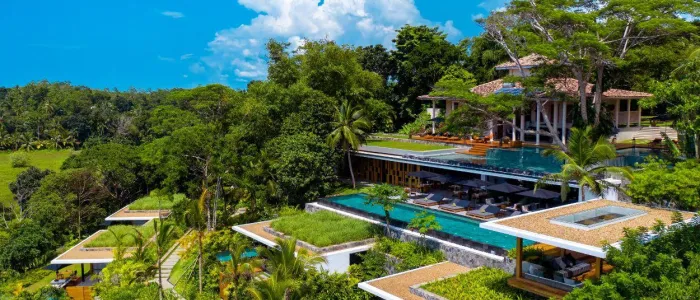
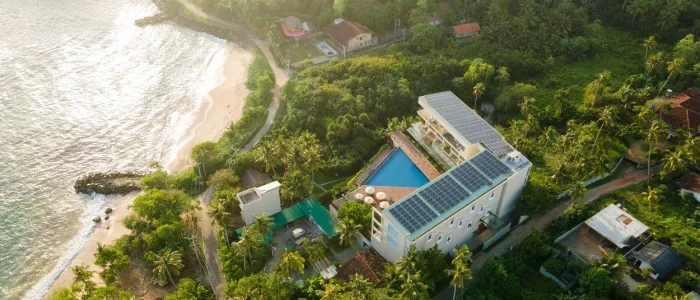
Haritha Villas + Spa is a boutique hillside retreat in Sri Lanka’s jungle, where contemporary design meets tropical surroundings. Stays focus on personalised wellness, with Ayurvedic therapies and tailored meals, alongside an infinity pool with valley views and a dedicated Villa Master for every g
Ayurvie Weligama
WELIGAMA, SRI LANKA
Experience authentic Ayurveda on Sri Lanka’s south coast, at a retreat that combines personalised healing with oceanfront calm. With gardens of palms, an infinity pool with bay views, and transformative daily treatments, it’s a place for restoration in beautifully tropical surrounds.
Ayurvie Sigiriya
SIGIRIYA, SRI LANKA
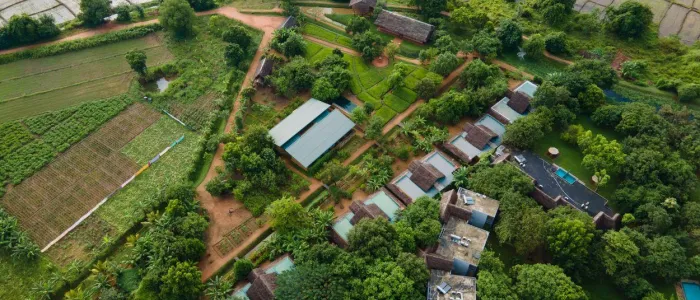
This jungle-shrouded Ayurveda retreat is as authentic as it gets, offering time-honoured therapies and styled like a traditional Sri Lankan village. With just 10 rooms, it’s peaceful and intimate. Plus, it puts you in the heart of the Cultural Triangle, one of Sri Lanka’s most magical landscapes
Amal Tamara
KERALA, INDIA
Amal Tamara pairs expert care with a tranquil, adults-only setting among the Alleppey backwaters. If you’re looking for an Ayurvedic experience rooted in authenticity, this is a great option. Think personalised programmes, daily therapies, meditation, and bespoke vegetarian cuisine – not to ment
Dharana at Shillim
SHILLIM, INDIA
This luxe retreat is surrounded by protected wilderness in the Sahyadri Mountains of Maharashtra. Designed for stillness and quiet, it’s an ideal destination for those seeking tranquillity and reconnection with nature. Villas are sleek and contemporary, and wellness facilities are extensive, with
Rudra Sahashrara
UBUD, BALI
An adults-only sanctuary nestled among exotic gardens, Rudra Sahashrara blends Bali’s natural beauty with an intimate, family-run atmosphere. It’s home to just 18 rooms, as well as a serene infinity pool, tranquil gardens and an Ayurvedic spa that focuses on mind-body healing.
Datu Wellness - Ayurveda Retreat
SALERNO, ITALY
Take a spectacular 18th-century palazzo and add a group of specially selected doctors, teachers, and therapists from India, and you get Datu Wellness – a transformative retreat that lets you experience authentic Ayurveda practices without the long-haul flight.
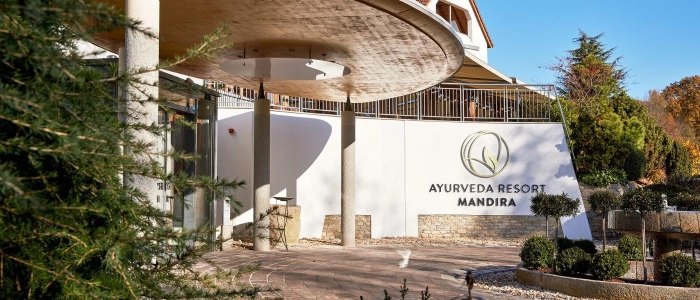
Ayurveda Resort Mandira
BAD WALTERSDORF, AUSTRIA
Ayurveda Resort Mandira combines authentic Ayurveda, healing thermal waters and holistic wellbeing in the peaceful Austrian countryside. This adults-only retreat offers a gentle introduction to Ayurveda in a comfortable European setting, making it ideal for those looking to reduce stress, improve th