Hôtel Royal - Évian Resort
EVIAN-LES-BAINS, FRANCE
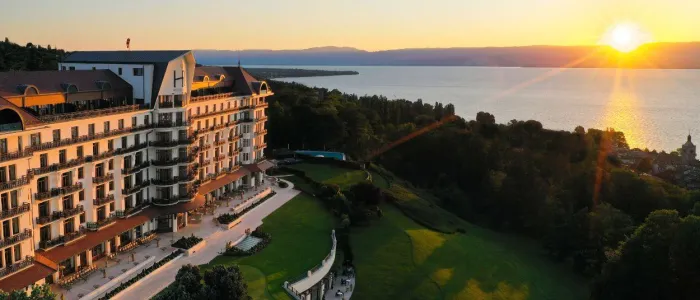
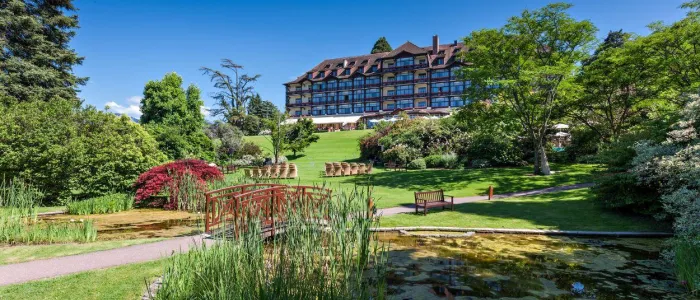
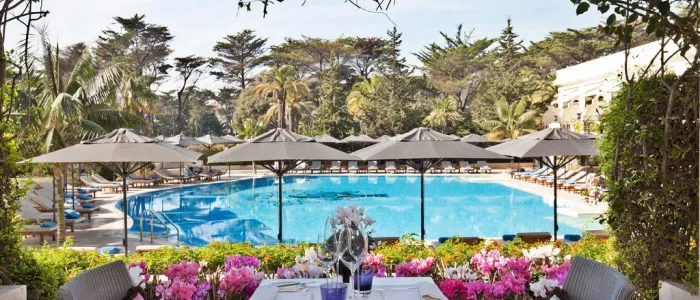
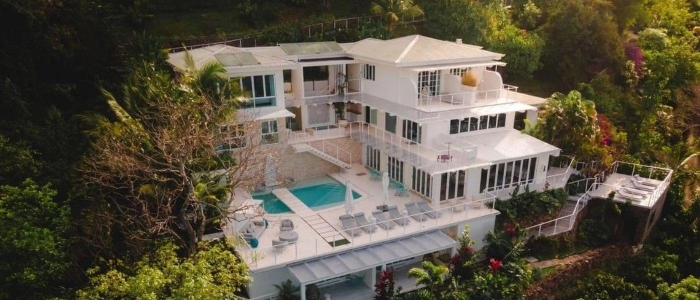
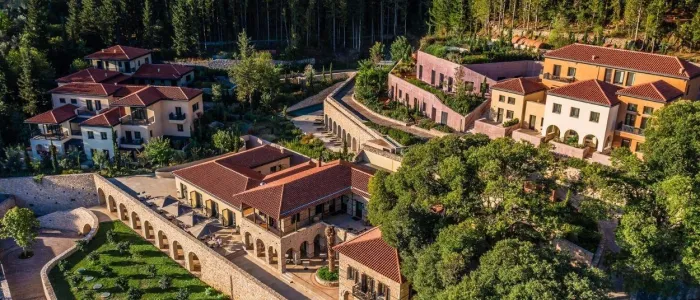
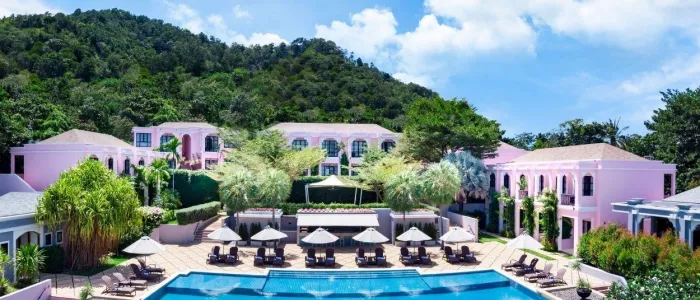
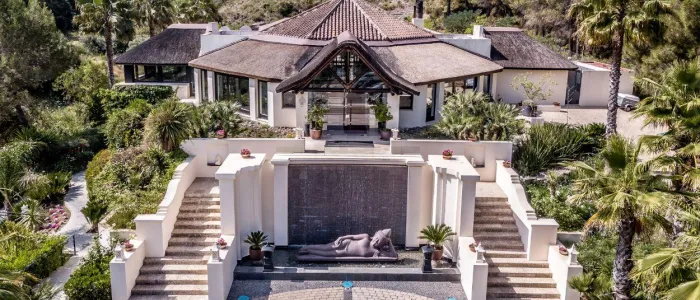
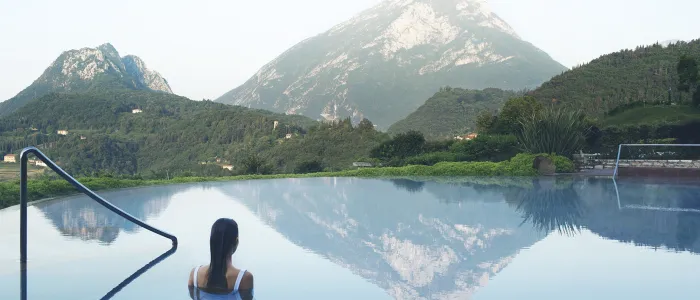
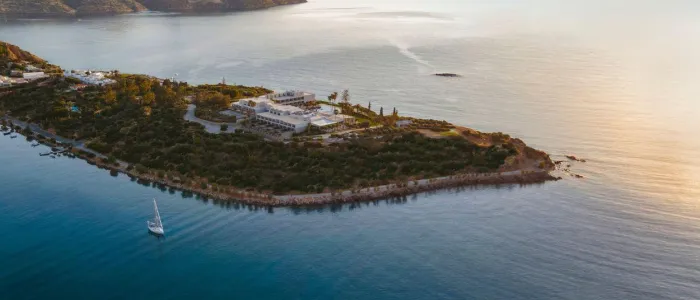
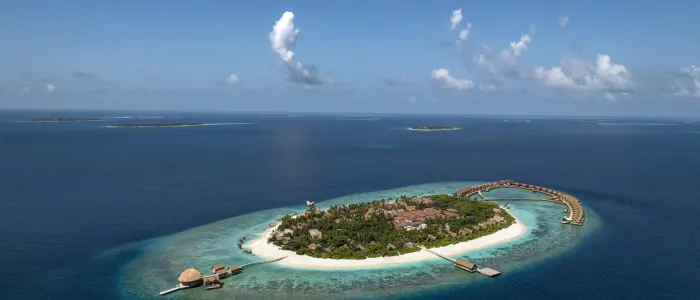
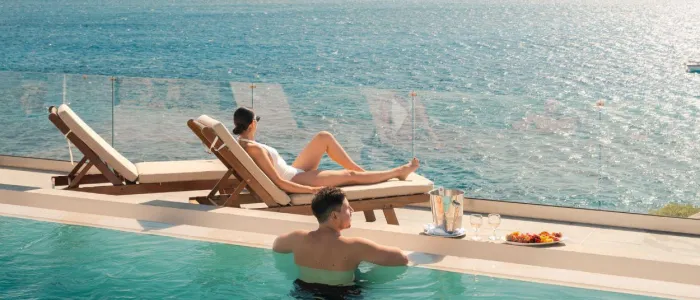
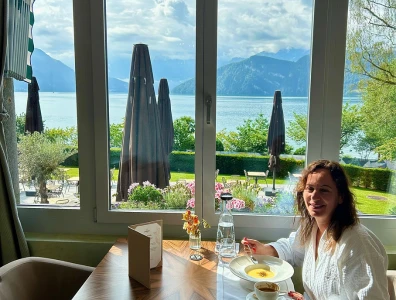
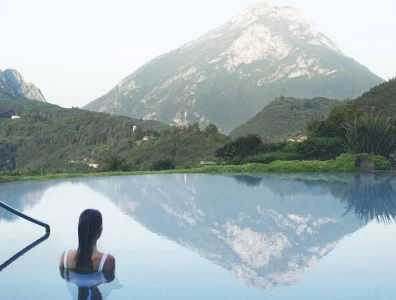
Hôtel Royal – Évian Resort combines a lakeside location with Belle Époque elegance, Michelin-starred cuisine, and an award-winning evian®SPA where treatments reflect the natural journey of Evian mineral water. Outdoor adventures on the water and in the mountains are the cherry on top.
Selman Marrakech
MARRAKECH, MOROCCO
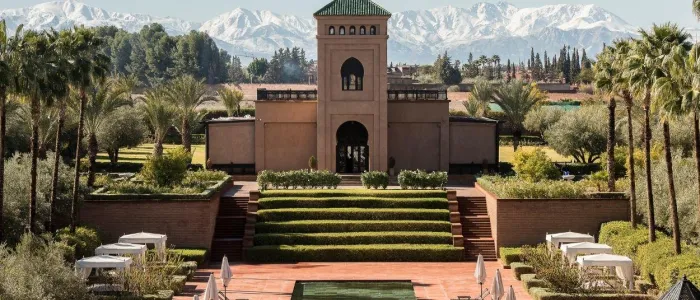
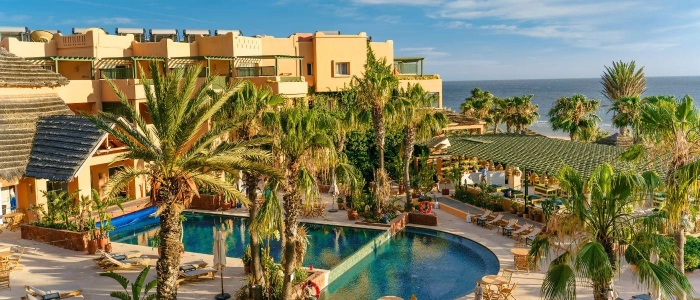
This palatial hotel is as chic as it is tranquil, with terracota-coloured buildings and immaculate grounds dotted with palm trees and roamed by purebred Arabian horses. It's also home to an exclusive Henri Chenot spa, one of just six in the world.
Sianji Wellbeing Resort
TURGUTREIS, BODRUM, TURKEY
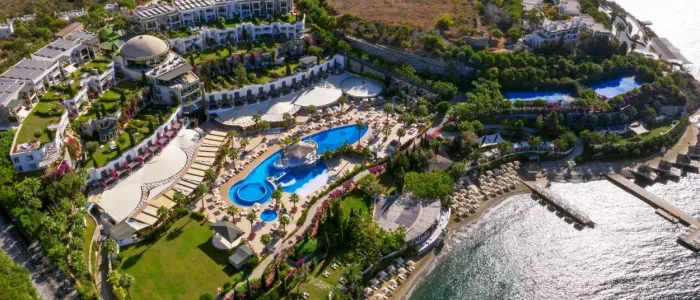
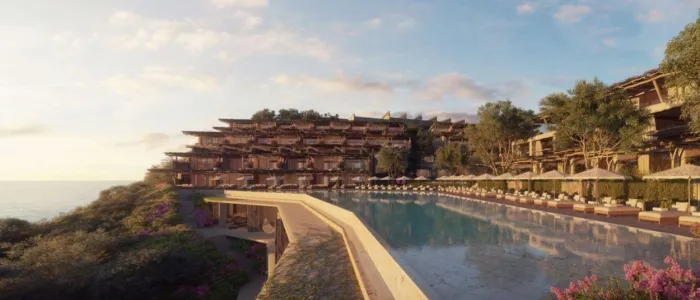
With a tiered design inspired by the Hanging Gardens of Babylon, this palm-cloaked resort counts a private beach, excellent wellness offering – its detox programmes are hugely reputable – and family friendly facilities as highlights. It’s also well-placed for Bodrum’s historic castle and buz
Palmaia - The House of Aia
PLAYA DEL CARMEN, MEXICO
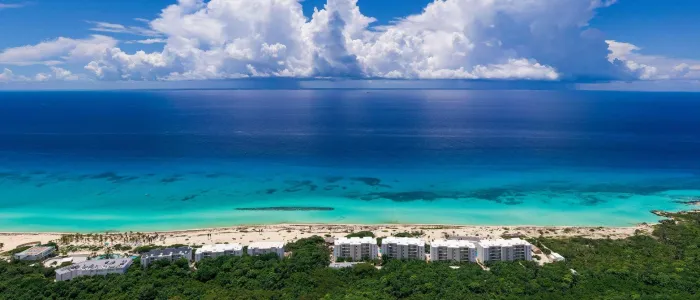
Palmaïa – The House of AïA is a secluded Riviera Maya retreat where jungle meets beach. Here, holistic wellness takes the form of ancient rituals, energy practices, sound therapy and mindful movement. All complemented by plant-focused gourmet cuisine, infinity pools, and stylish suites inspired
Hôtel Ermitage – Evian Resort
EVIAN-LES-BAINS, FRANCE
With a spectacular setting above Lake Geneva at the foot of the Alps, Hotel Ermitage, part of the famous Évian Resort, is a welcoming sanctuary for both wellbeing and adventure. It’s home to an award‑winning spa and an impressive list of activities – from tennis and padel to skiing and wa
Palazzo Fiuggi
FIUGGI, ITALY
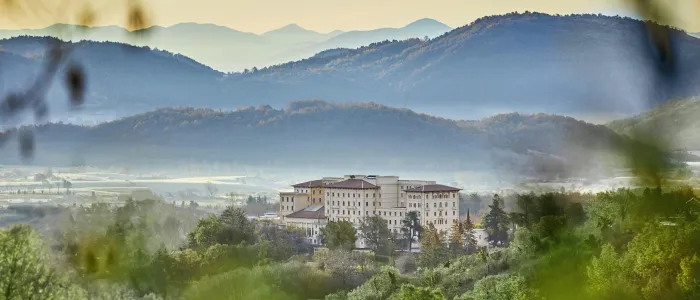
Fusing ancient holistic wellness with the latest advancements in Western medicine, the majestic Palazzo Fiuggi is a top contender if you’re serious about investing in your health. Its sophisticated spa is complemented by healthy cuisine by Michelin-starred chef, Heinz Beck. The best part? Here,
Zulal Wellness Resort - Discovery
AL RUWAIS, QATAR
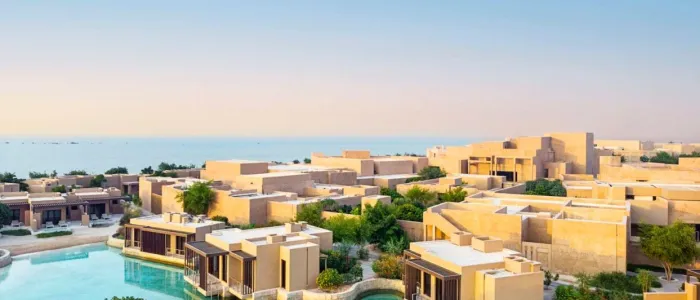
On Qatar’s other-worldly northern coast, Zulal Wellness Resort offers a family friendly approach to wellbeing, with impressive facilities, shared activities, and a beautiful private beach. As if that wasn’t enough, it’s operated in partnership with the health experts at Thailand’s renowned C
Park Igls
INNSBRUCK, AUSTRIA
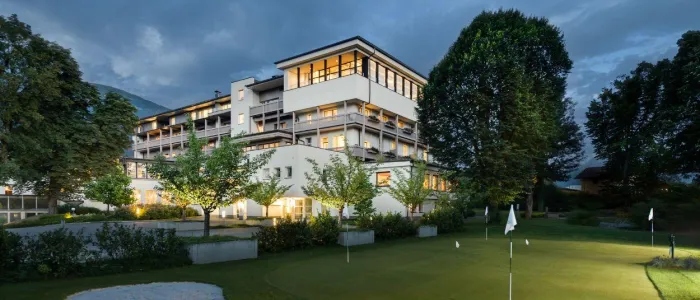
Park Igls combines pioneering clinical expertise with spectacular Alpine surroundings. A leading adults-only medical spa, its specialists have been shaping healthier lifestyles through Modern Mayr Medicine for more than 30 years, with personalised nutrition, advanced diagnostics and tailored therapi
Wellbeing Escapes Yoga & Hiking Retreat in Agrafa, Greece
AGRAFA, GREECE
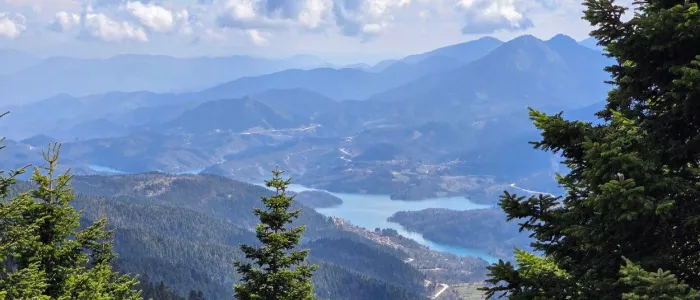
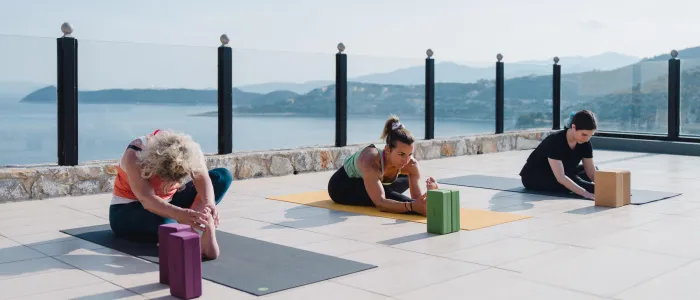
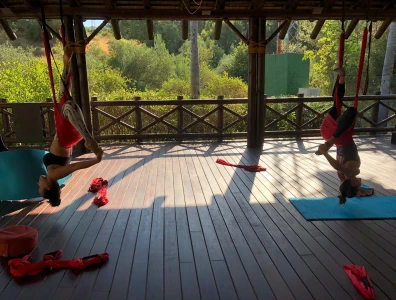
This yoga and hiking-themed escape takes you to a rustic retreat in a fairytale setting, high above Lake Plastira in a thick fir forest. Guests enjoy movement, relaxation and reconnecting with nature, along with delicious nourishing cuisine in a small, intimate group.
Wellbeing Escapes Hiking & Yoga Retreat in Pelion, Greece
PELION, GREECE
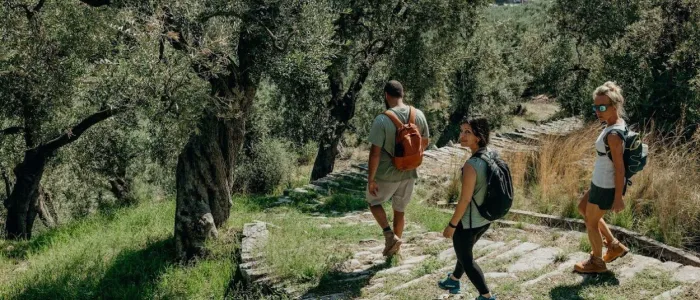
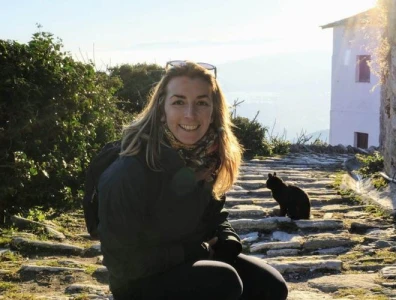
This small group retreat offers up a taste of Blue Zone living, with days made up of guided hikes, yoga, massage treatments and nourishing plant-based cuisine. You'll soak up picture-perfect Greek scenery, experience local life and enjoy downtime in a traditional, charming villa.
Phuket Cleanse
RAWAI, THAILAND
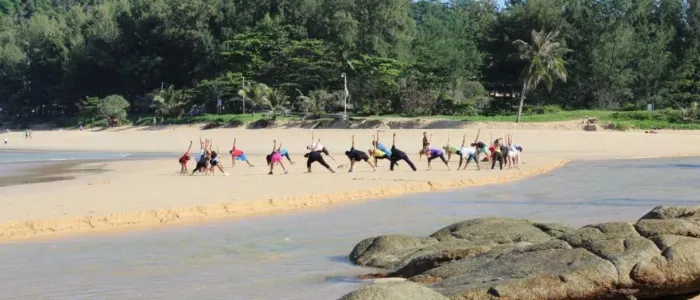
This tranquil lakeside retreat specialises in wellness-focused stays, with personalised nutrition, fitness and mindfulness practices. There’s a real emphasis on community here, so it’s ideal for those looking to meet like-minded travellers. You’ve also got easy access to beautiful beaches and
Almar Giardino di Costanza Mazara del Vallo
MAZARA DEL VALLO, SICILY , ITALY
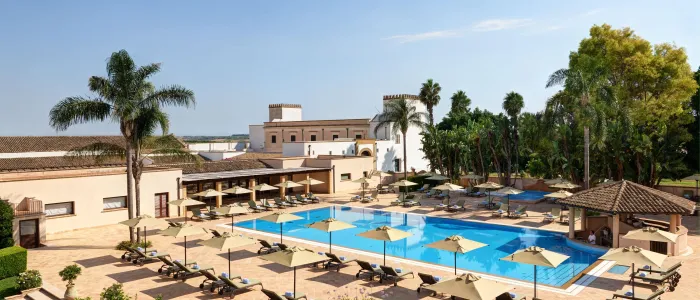
A five-star Sicilian sanctuary among Mediterranean gardens, Almar Giardino di Costanza Mazara del Vallo offers elegant rooms and private beach access. Its star feature, though, is the Almablu Spa, which has a sleek, Roman-Arab-Norman design, thermal pools, saunas and a long list of energy-balancing
Paradis Plage
IMI OUADDAR, AGADIR, MOROCCO
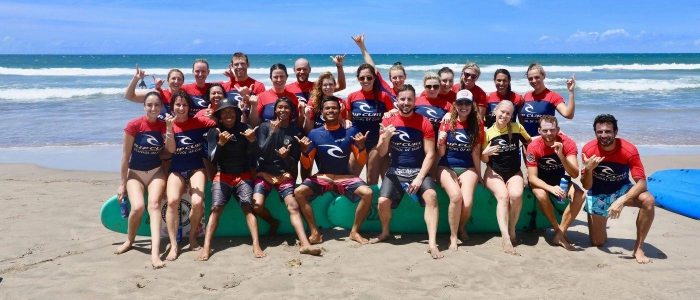
This peaceful, eco-friendly resort sits on a golden beach along Morocco’s Atlantic shoreline. Known for its strong focus on sustainability, it's got bohemian good looks and excellent surf, yoga, and spa facilities. The end result? A wellness retreat that can be as relaxed or energetic as you like.
RAKxa Integrative Wellness
BANG KRACHAO , THAILAND
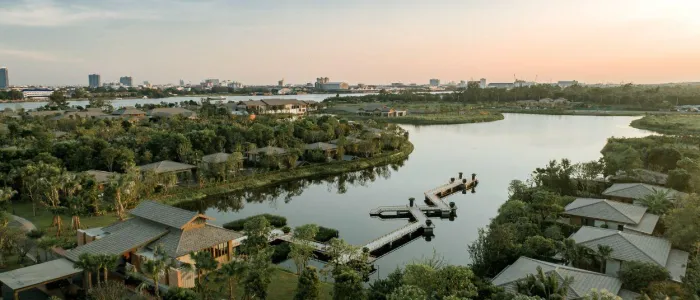
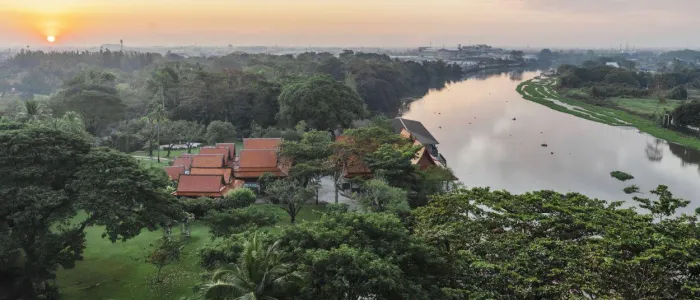
If you’re searching for a transformative wellness experience, RAKxa is a great option. This luxe riverside retreat is in Bangkok’s ‘green lung’ Bang Krachao region, and offers personalised medical diagnostics and Eastern healing alongside design-led accommodation, curated nutrition and holis
Daios Cove
AGIOS NIKOLAOS, CRETE, GREECE
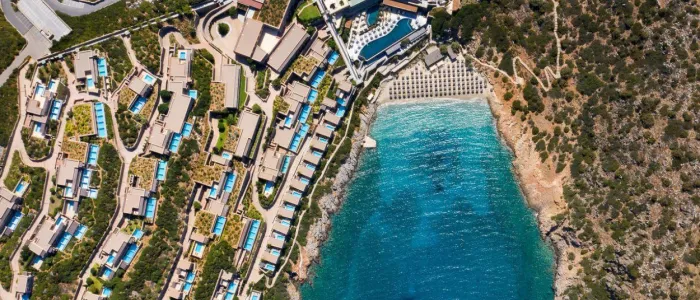
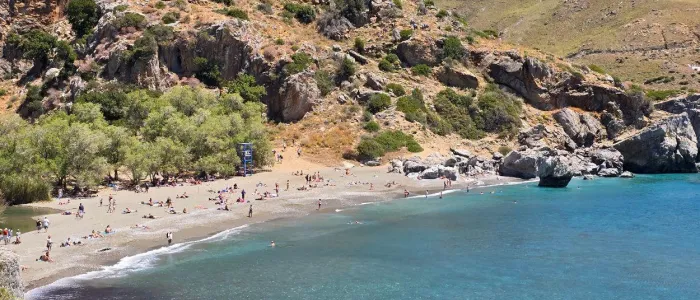
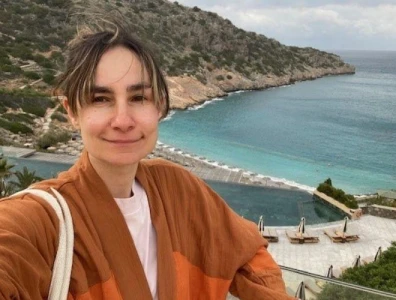
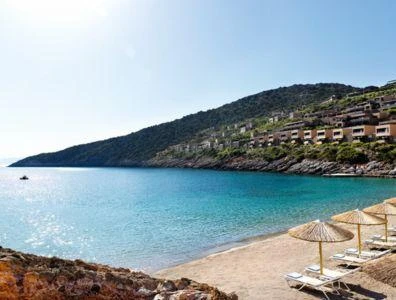
Perched above a private Cretan beach, Daios Cove offers terraced villas, an infinity pool, six restaurants, and the sanctuary-like KEPOS by Goco Spa. It’s also really well geared up for little ones, making it a good choice for families looking to relax, try new things and enjoy a picture-perfect s
Aava Resort & Spa
NAKHON SI THAMMARAT, THAILAND
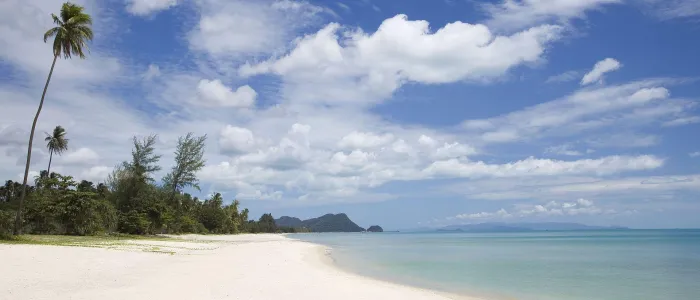
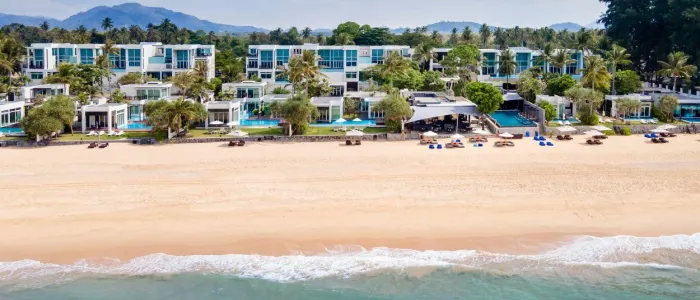
Tatler named Aava on its ‘101 Best Hotels in the World’ list for good reason. This stylish, Scandi-inspired hotel has a plum setting on gorgeous Nadan Beach, along with a bijou spa, an ocean-facing pool, and an open-air restaurant serving fusion dishes.
Epic Sana Retreats
ALBUFEIRA, PORTUGAL
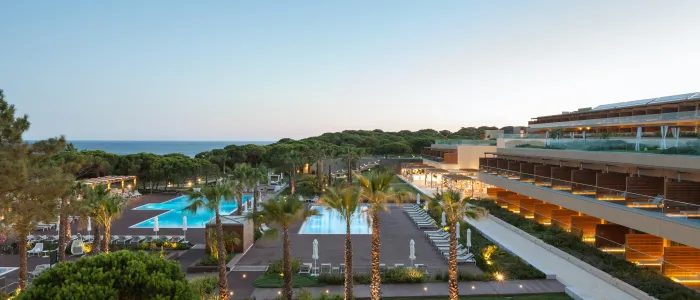
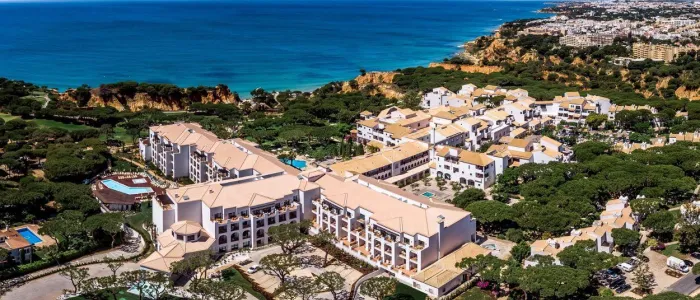
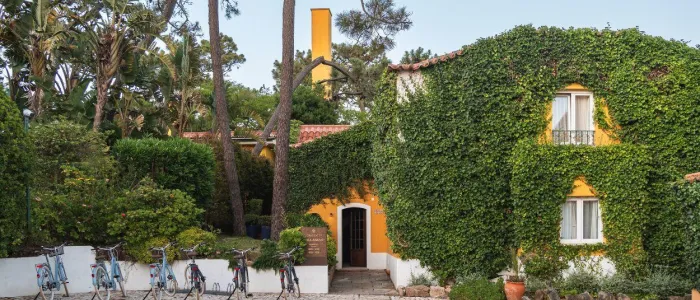
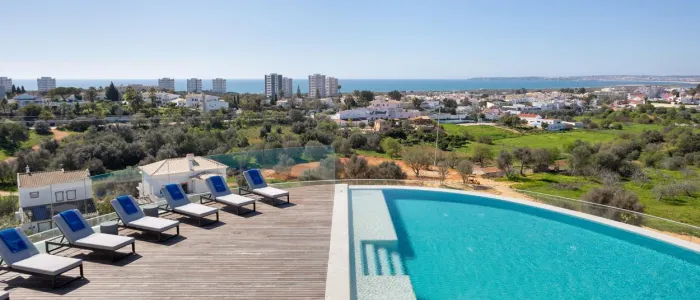
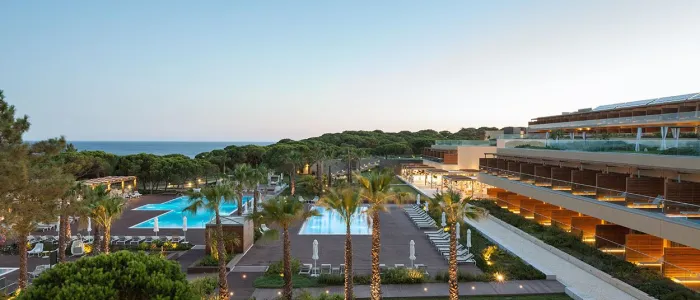
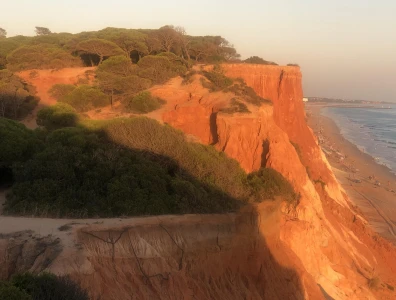
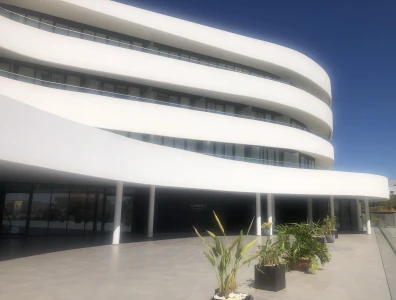
Epic Sana is a chic hotel located along the golden coastline of the Algarve. Set away amidst pine forests and overlooking the beaches below, it offers the perfect place to escape and relax. The resort centres around the Sayanna Wellness Centre which takes inspiration from Oriental holistic treatment
Palace Merano
MERANO, ITALY
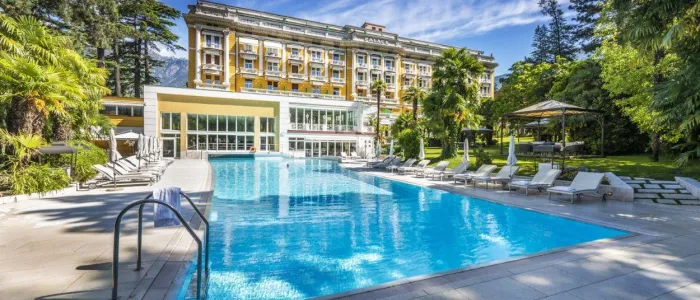
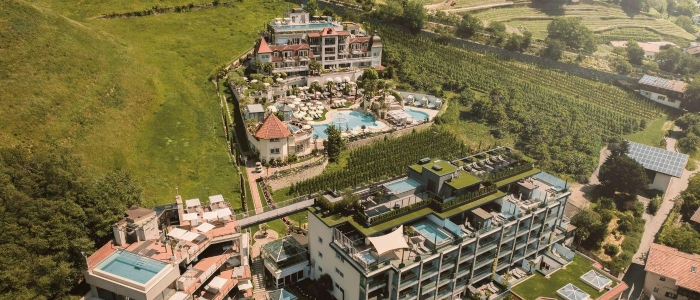
This striking Belle Époque hotel sits among leafy gardens and Alpine peaks in the sophisticated spa town of Merano, a hotspot among the rich and famous since the 19th century. Today, it’s an innovative medical spa that combines personalised programmes with suitably glamorous interiors.
Clinique La Prairie
MONTREUX, SWITZERLAND
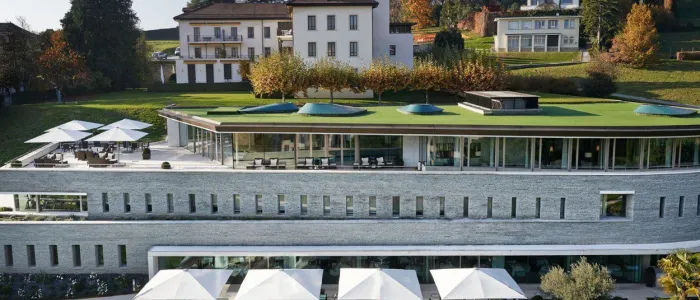
This world-renowned destination spa is built around its pioneering CLP Longevity Method. Designed to rejuvenate body and mind, slow cellular ageing, reduce inflammation, and optimise overall health, it’s rolled out via personalised programmes guided by a team of more than 50 wellness specialists.
Anassa
LATCHI, CYPRUS
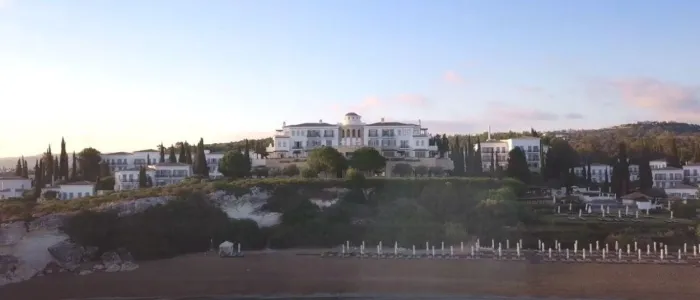
Anassa, meaning ‘Queen’, is a luxury family-run retreat on Cyprus’s north-west coast. With an award-winning spa, yoga and fitness offerings, restorative treatments and healthy gourmet dining, it’s a stylish sanctuary for both wellness and relaxation.
Six Senses Vana
DEHRADUN, INDIA
The renowned Six Senses’ first dedicated wellbeing retreat, this tranquil healing hideaway is in the forested foothills of the Himalayas. Come for yoga and meditation, personalised Ayurveda, Tibetan medicine, and nourishing cuisine, and leave with a renewed sense of self.
Almyra
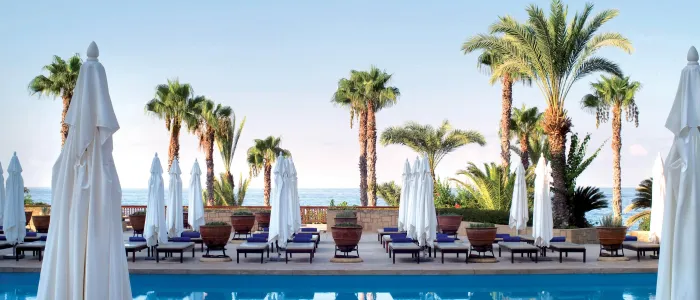
PAPHOS, CYPRUS
This luxury resort has a prime location in Paphos, right on the beach and close to the picturesque harbour. Other highlights include the two-storey spa – an award-winning sanctuary with an infinity pool and a tempting treatments menu. There are pools just for smaller guests, too.
Haritha Villas + Spa
HIKKADUWA, SRI LANKA
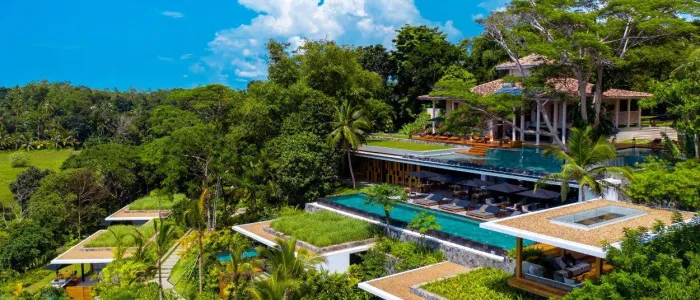
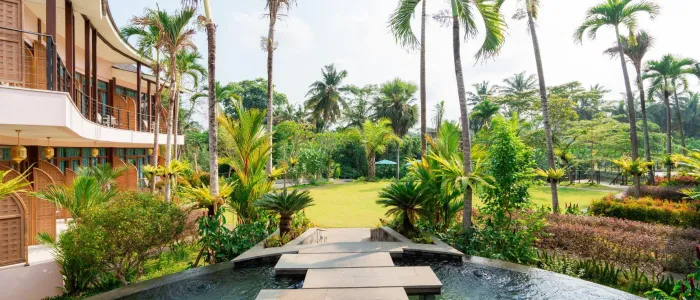
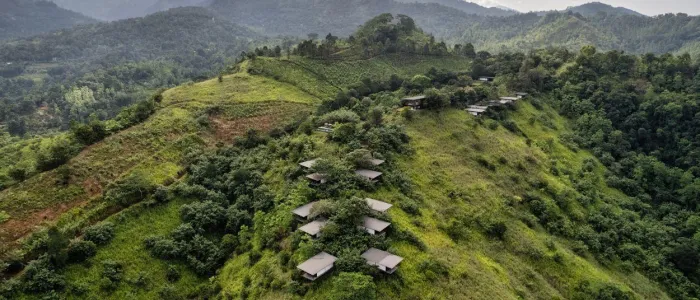
Haritha Villas + Spa is a boutique hillside retreat in Sri Lanka’s jungle, where contemporary design meets tropical surroundings. Stays focus on personalised wellness, with Ayurvedic therapies and tailored meals, alongside an infinity pool with valley views and a dedicated Villa Master for every g
Villa Stephanie at Brenners Park-Hotel & Spa
BADEN BADEN, GERMANY
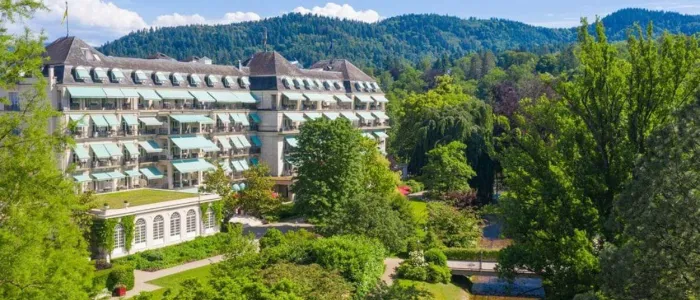
Set within a mansion-style retreat in forest foothills near Baden-Baden, Villa Stephanie combines expert medical care, holistic wellness, personalised nutrition, and a five-storey spa. You can also expect elegant, artsy interiors and leafy surroundings.
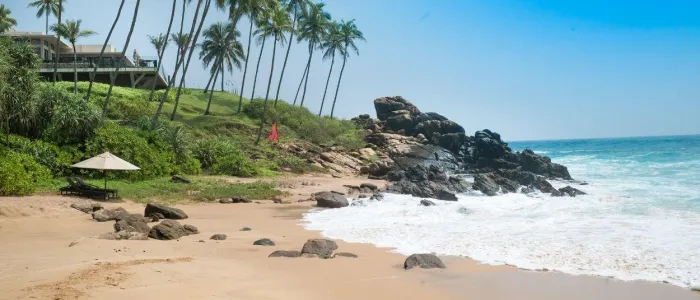
Ayurvie Weligama
WELIGAMA, SRI LANKA
Experience authentic Ayurveda on Sri Lanka’s south coast, at a retreat that combines personalised healing with oceanfront calm. With gardens of palms, an infinity pool with bay views, and transformative daily treatments, it’s a place for restoration in beautifully tropical surrounds.
Ayurvie Sigiriya
SIGIRIYA, SRI LANKA
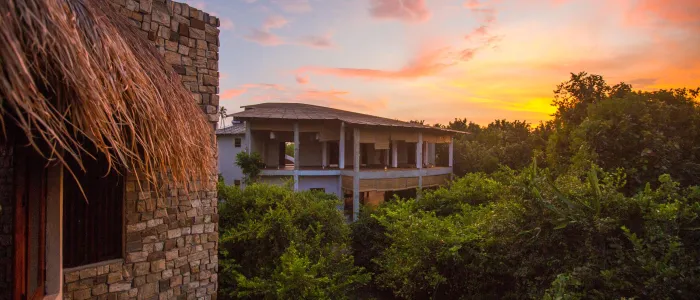
This jungle-shrouded Ayurveda retreat is as authentic as it gets, offering time-honoured therapies and styled like a traditional Sri Lankan village. With just 10 rooms, it’s peaceful and intimate. Plus, it puts you in the heart of the Cultural Triangle, one of Sri Lanka’s most magical landscapes
Fontsanta Hotel Thermal Spa & Wellness
BALEARES, MALLORCA
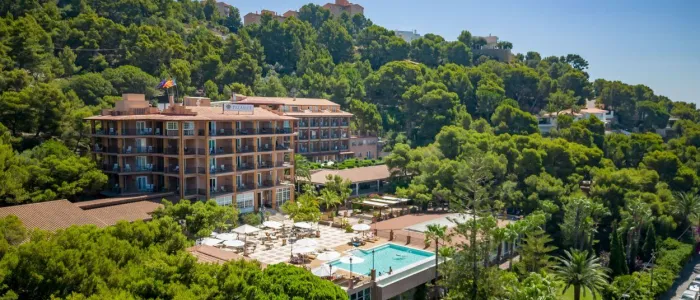
This picture-perfect estate pairs a tranquil countryside location with a boho-luxe design, but its crowning glory is the spa, which is built around the only thermal springs in the Balearic Islands. There's also a handy shuttle service to one of Mallorca's finest beaches.
Amal Tamara
KERALA, INDIA
Amal Tamara pairs expert care with a tranquil, adults-only setting among the Alleppey backwaters. If you’re looking for an Ayurvedic experience rooted in authenticity, this is a great option. Think personalised programmes, daily therapies, meditation, and bespoke vegetarian cuisine – not to ment
Six Senses Ninh Van Bay
NHA TRANG, VIETNAM
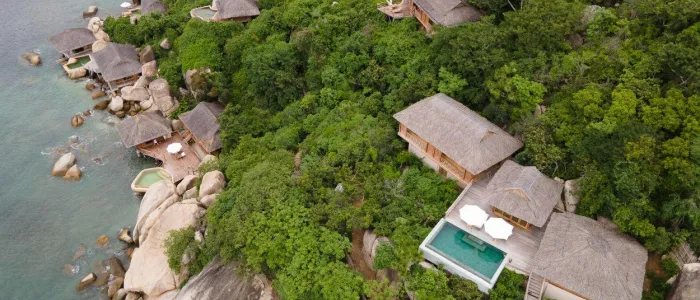
One of the original Six Senses resorts, this Vietnam offering more than lives up to the hotel group's stellar reputation. Whether you’re seeking active days filled with watersports or a restorative escape focused on wellbeing, this retreat wows with impeccable service and scenery straight out of a
Six Senses Laamu
LAAMU, MALDIVES
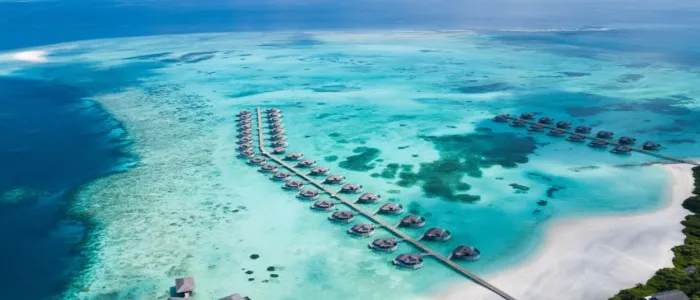
It’s easy to play castaway at this remote island resort. Guests at the family friendly Six Senses Laamu can kick-back in sustainable villas, experience nature-led wellness and savour gourmet dining. As for the surroundings? Pure Maldives’ postcard perfection, with snow-white sands and dazzling t
MasQi - The Energy House
ALICANTE, SPAIN
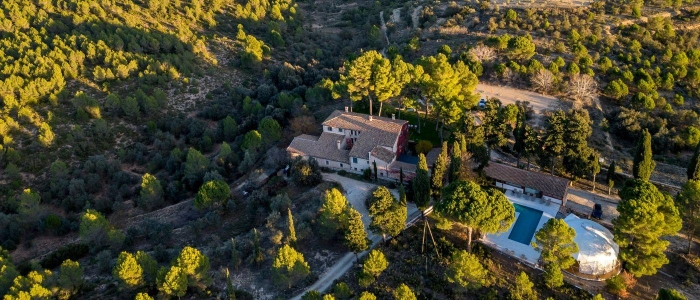
This adults-only boutique retreat is in Spain’s Sierra de Mariola, hosted in a rustic farmhouse surrounded by mountain peaks. Guests can practise yoga and meditation in a striking glass-domed studio, enjoy healing holistic therapies and macrobiotic cuisine, and emerge restored, balanced, and centr
SHA Mexico
COSTA MUJERES, CANCUN, MEXICO
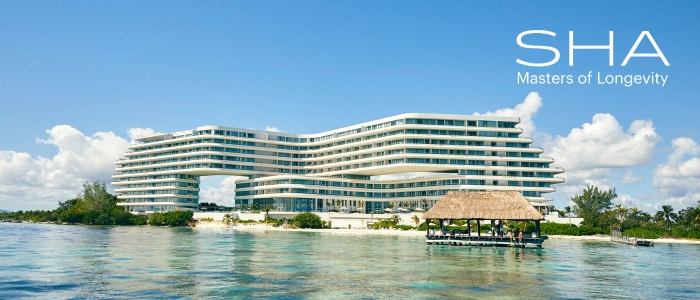
This cutting-edge Cancun resort brings Spain’s acclaimed SHA Wellness Clinic to tropical shores. Guests can enjoy results-driven holistic and medical programmes with highly personalised care. Beyond treatments, there are infinity pools, peaceful gardens and a beautiful beach just footsteps from th
Almar Jesolo Resort & Spa
LIDO DI JESOLO, VENICE, ITALY
If you like the idea of combining relaxation with a city break, you’ll get the best of both worlds at this luxe five-star resort, which pairs an award-winning wellness offering with contemporary Italian interiors and a location on a private beach just a hop from iconic Venice.
Chiva-Som Health Resort
HUA HIN, THAILAND
One of the world’s most reputable wellness retreats, this Thai temple to wellbeing serves up impeccable service, tasty cuisine and a genuine focus on transformation – not to mention a tropical backdrop of glossy palms and ivory sand.
Yeotown Madeira
ARCO DA CALHETA , MADEIRA
With a setting on an agricultural estate, Yeotown Madeira blends boho-chic charm with boutique comfort. In a maximum group of 12, you'll experience award-winning wellness programme filled with outdoor adventures, yoga, meditation, mindfulness sessions, and educational talks.
Hacienda del Conde Meliá Collection Golf & Spa
BUENAVISTA DEL NORTE, SANTA CRUZ DE TENERIFE, TENERIFE
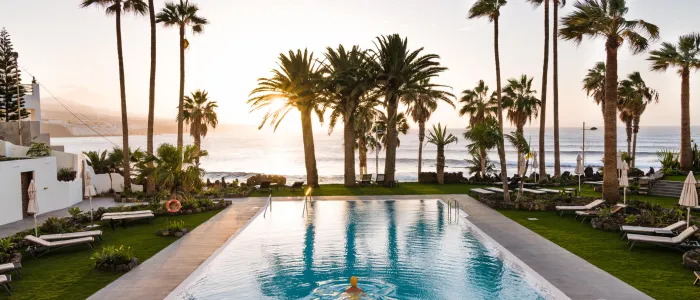
A luxury resort in a historic villa, this adults-only base is perfect if you’re after a relaxing getaway in the sunshine with top spa and golf facilities. Thanks to its elevated setting, you can look forward to superb ocean and mountain views, too.
Castilla Termal Monasterio de Valbuena
SAN BERNARDO, SPAIN
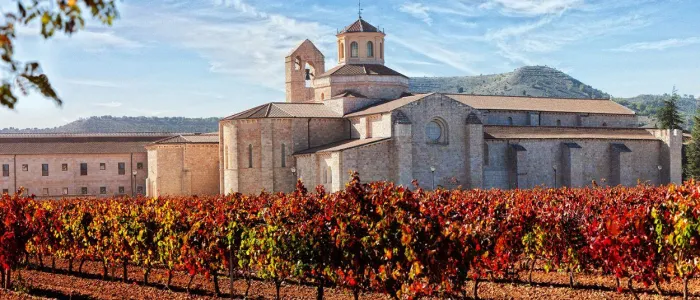
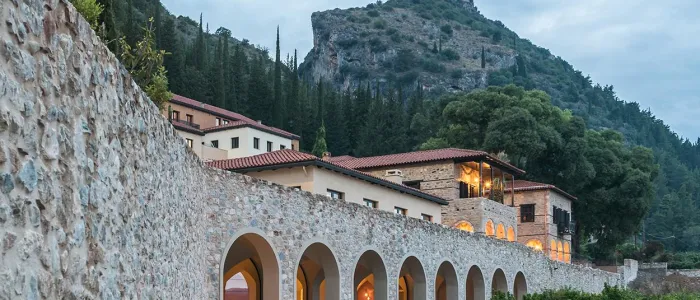
This historic monastery-turned–spa hotel combines centuries-old architecture with a peaceful location in Ribera del Duero. Days unfold at an easy pace, whether you’re lingering over long lunches, exploring the vineyard-dotted countryside, or unwinding in one of Spain’s most atmospheric wellnes
Es Raco d’Arta
ARTá, MALLORCA, MALLORCA
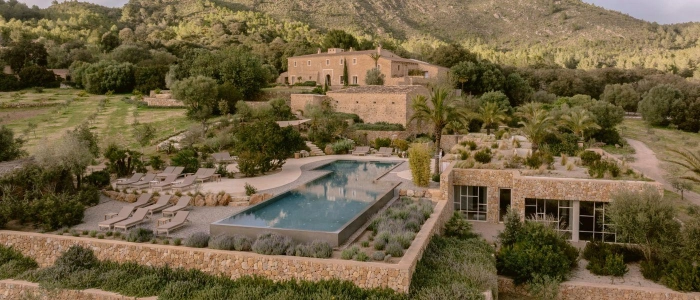
This carefully restored 13th-century farmhouse is in the tranquil north-east of Mallorca, nestled among 220 hectares of vineyards, olive groves, orchards, and organic gardens. Lovingly designed, it’s an ideal retreat for walkers, cyclists, and anyone wanting to press pause and reconnect with natur
Sen Wellness Sanctuary
TANGALLE, SRI LANKA
Looking for a restorative, adults-only escape in exotic surrounds? Sen Wellness Sanctuary is just the place. This intimate, eco-conscious retreat is nestled in the rainforest, close to caramel sands on Sri Lanka’s southern coast. Guests can look forward to personalised Ayurveda, yoga, meditation a
Camiral
GIRONA, SPAIN
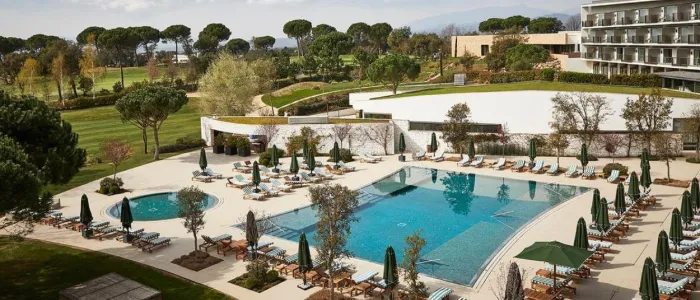
This chic and contemporary hotel does what is says on the tin – holistic wellness and world-class golf. Whether you’re here to get active or slow down and reconnect, you can expect gorgeous countryside surroundings and a long list of facilities, including a fabulous wellness centre and a choice
RXV Wellness Village
SUAN SAMPRAN, THAILAND
This village-like retreat near Bangkok offers family friendly holistic wellness, with spa treatments, yoga, fitness, ‘Rainbow Food’ nutrition and hydrotherapy all part of the line-up. Bright, modern villas and riverside gardens are also highlights.
Six Senses Douro Valley
LAMEGO, PORTO, PORTUGAL
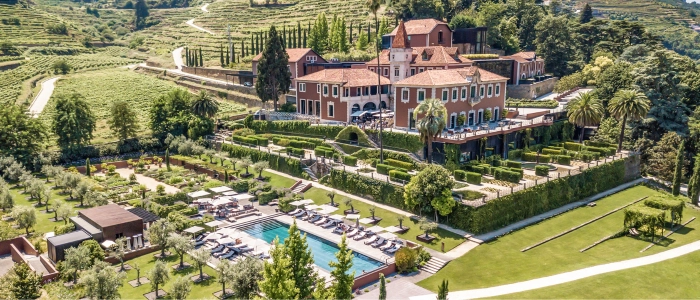
Guests are treated to sweeping vineyard and river views at this stylish Six Senses resort, which has a manor house setting in a 19th-century wine estate in Portugal’s UNESCO-listed Douro Valley. It's home to a top spa, a choice of pools, and hosts activities for all ages.
The Detox Barn
SUFFOLK, UNITED KINGDOM
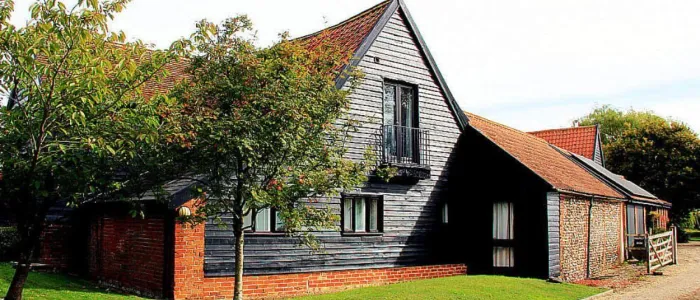
The Detox Barn is regularly ranked among the UK’s leading wellness retreats and was featured in Condé Nast Traveller’s top 10 for 2025. Run by the fun-loving Gavin sisters, it’s a cosy barn conversion in the Suffolk countryside; ideal for wellness seekers who don’t want to travel overseas.&
The Detox Barn Algarve
CASTRO MARIM, ALGARVE, PORTUGAL
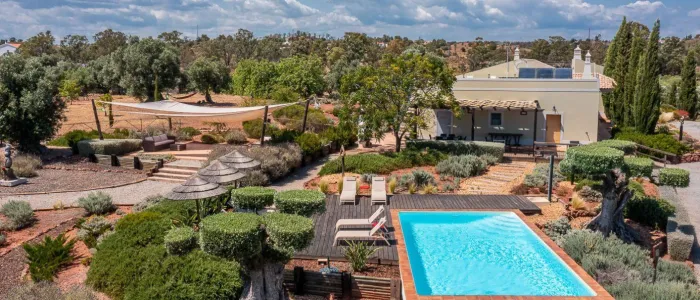
The Algarve edition of the much-loved Suffolk-based Detox Barn retreat, hosted by the Gavin Sisters. This five-night digital detox offers a supportive, plant-based reset in a peaceful natural setting, helping guests reconnect, restore energy and build habits that last.
Eremito
UMBRIA, ITALY
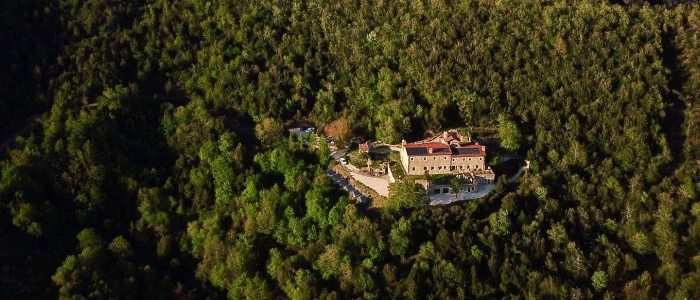
Eremito is a 14th-century hermitage turned adults-only wellness sanctuary, hidden in a UNESCO nature reserve. Completely off-grid, it’s a candlelit, digital detox retreat with a pool, Turkish bath, yoga studio and meditation cave – ideal for quiet reflection.
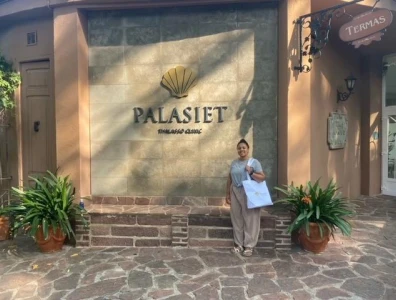
Palasiet Wellness Clinic & Thalasso
BENICàSSIM, VALENCIA, SPAIN
Seaside thalassotherapy has been at the heart of Palasiet for more than 50 years. Set in the grounds of a 19th-century villa on the Costa del Azahar, this family-run spa specialises in seawater thermal treatments, with an ocean-facing pool and a calm, beachside setting.
SANté Wellness Retreat & Spa
PAARL, SOUTH AFRICA
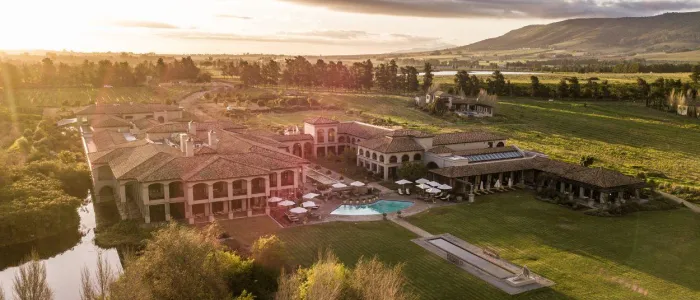
From its peaceful perch in the Western Cape Winelands, SANté combines cutting-edge medical wellness with holistic therapies. Guests can explore indigenous gardens, enjoy mountain biking and birdwatching, and benefit from personalised programmes in a beautiful, back-to-nature setting.
Dharana at Shillim
SHILLIM, INDIA
This luxe retreat is surrounded by protected wilderness in the Sahyadri Mountains of Maharashtra. Designed for stillness and quiet, it’s an ideal destination for those seeking tranquillity and reconnection with nature. Villas are sleek and contemporary, and wellness facilities are extensive, with
NOŪS Santorini
MESARIA, SANTORINI, GREECE
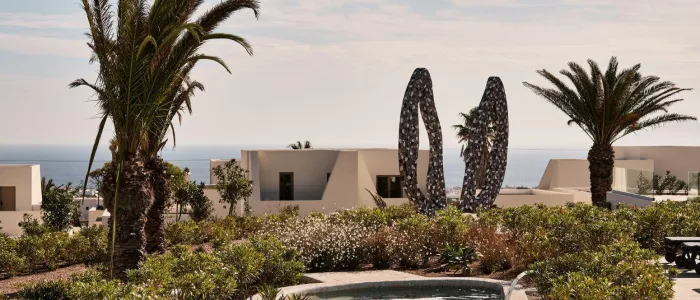
This boutique design-led hotel has lots to shout about, including an impressive art collection, super-chic interiors, a state-of-the-art spa and Santorini’s largest swimming pool. It’s handily located, too, in a peaceful inland setting just 10 minutes’ drive from the cosmopolitan capital, Fira
Rudra Sahashrara
UBUD, BALI
An adults-only sanctuary nestled among exotic gardens, Rudra Sahashrara blends Bali’s natural beauty with an intimate, family-run atmosphere. It’s home to just 18 rooms, as well as a serene infinity pool, tranquil gardens and an Ayurvedic spa that focuses on mind-body healing.
Marbella Club
MARBELLA, SPAIN
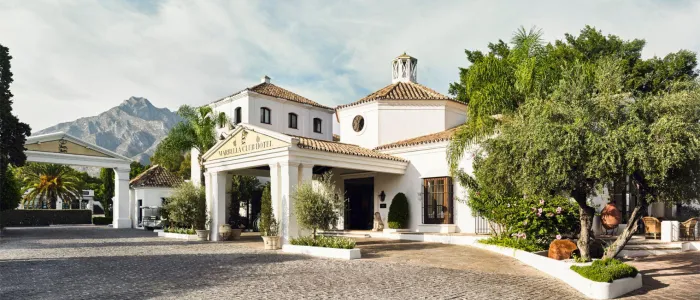
One of Spain’s most exclusive resorts, the beachfront Marbella Club makes for a restorative and sophisticated escape on Spain’s sun-soaked south coast. Think understated luxury and exceptional wellness facilities with easy access to Marbella’s hotspots.
Emotional Freedom Retreat - PRIVATE RETREAT
BEDFORD, UNITED KINGDOM
Led by transformational energy coach, Claudia Roth, this one-on-one retreat will introduce you to healing practices like meditation, breathwork and sound therapy. Ideal for anyone struggling with anxiety, at a crossroads or seeking clarity for the future, it’ll help you to shift your mindset, rele
Palacio Estoril Hotel, Golf & Spa
ESTORIL, LISBON, PORTUGAL
This landmark 1930s hotel pairs historic glamour with modern luxuries. Cue sophisticated rooms, fine dining, and Europe’s only Banyan Tree Spa. The location scores points, too – it’s close to iconic Lisbon in the heart of upmarket Estoril, and just footsteps from Tamariz Beach.
The Retreat
ALTOS, COSTA RICA
Perched on a mountain ridge in rural Costa Rica, The Retreat was founded by celebrity chef, best-selling author and health and wellness coach, Diana Stobo. Her vision was to create an adults-only wellness sanctuary in the heart of the rainforest, designed as a place for genuine transformation.
Fairmont The Palm
DUBAI, DUBAI
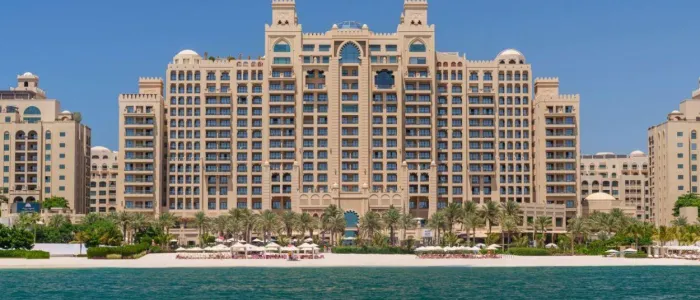
A palatial-looking resort on a white sandy beach, Fairmont The Palm specialises in cutting-edge wellness in luxe surroundings. One of the Healing Hotels of the World, its highlights include the award-winning spa, Serenity – The Art of Wellbeing, 11 restaurants and bars, and views over Dubai Marina
The View Agadir
AGADIR, MOROCCO
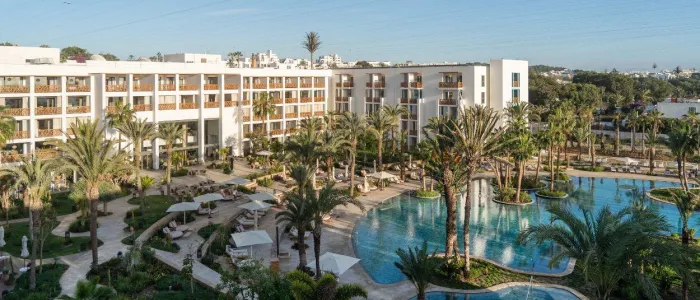
This smart, high-rise hotel has a beachfront location close to vibrant Agadir. Highlights include a lagoon-like pool set in palm-cloaked grounds, the sumptuous Amaya Spa, and three restaurants dishing up gourmet cuisine. With year-round warm weather, it’s a top choice for a wellness escape.
Aleenta Retreat Chiang Mai
CHIANG MAI, THAILAND
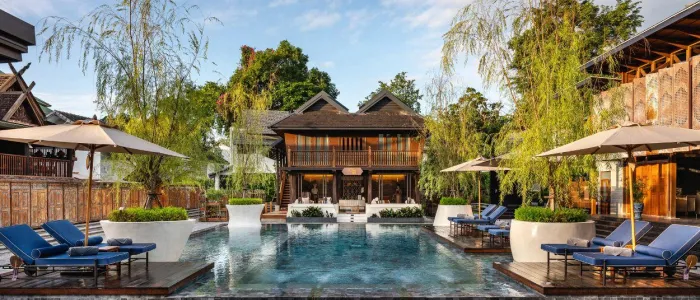
Built around a beautifully restored century-old villa, this retreat blends heritage architecture with a serene, soulful atmosphere. Ancient Buddhist temples sit nearby, and the monks’ chanting often drifts through the grounds. Wellness is holistic and expert-led, and includes yoga, breathwork and
Wellbeing Escapes Hiking & Yoga Retreat in Crete, Greece
CRETE, GREECE
A small-group retreat in Crete set across two rustic villas overlooking the sea. Days combine morning hikes through dramatic landscapes with yoga sessions and unhurried afternoons by the pool or exploring nearby villages. With shared spaces, a relaxed pace and a strong connection to nature, it’s a
Aleenta Phuket Resort & Spa
PHUKET, THAILAND
It’s easy to see why Aleenta Phuket is part of the Leading Hotels of the World collection. This family friendly sanctuary pairs chic and contemporary good looks with a setting on Natai Beach, along with a state-of-the-art wellness centre and easy access to Phuket’s best bits.
Pine Cliffs, a Luxury Collection Resort
ALBUFEIRA, PORTUGAL
Slowing down is easy at Pine Cliffs, where leafy hillsides meet a private beach and, in the heart of it all, is an award-winning spa. A village-style resort with a choice of pools, restaurants and activities, it’s equally well suited to those looking for a relaxing base with plenty to do.
Longevity Senses Cascais Boutique Hotel & Clinic
CASCAIS, PORTUGAL
This boutique, adults-only wellness retreat wows with integrative medical programmes, restorative spa treatments, and bags of Portuguese charm. The outlook’s impressive, too – cue picture-perfect views of the Atlantic Ocean and the forested hills of the Cascais coastline.
Euphoria Retreat
MYSTRAS, GREECE
In pine-cloaked hills overlooking the UNESCO-listed town of Mystras, you'll find one of Europe’s leading wellness destinations. Euphoria Retreat has a state-of-the-art spa and programmes that fuse 21st-century science with age-old therapies, along with a beautiful design that pairs modern comforts
Kateka Safari & Wellness Experience
KRUGER, SOUTH AFRICA
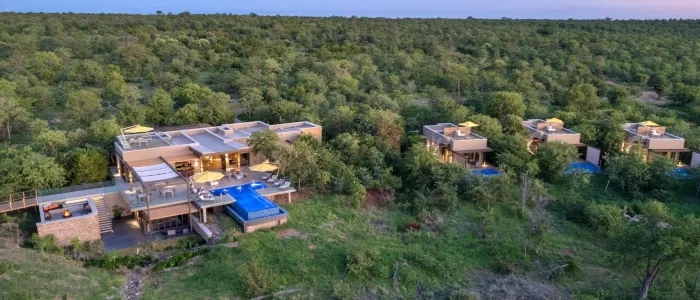
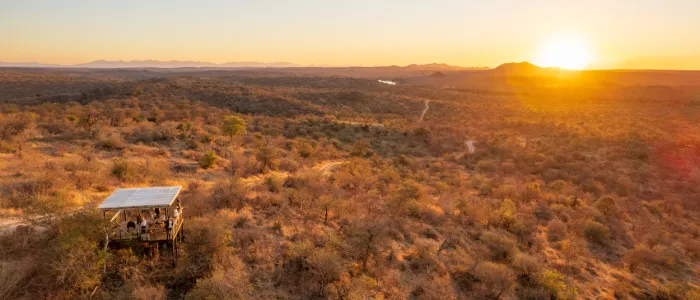
Nestled in the Klaserie Private Nature Reserve, Kateka is an intimate boutique safari lodge with just five suites and a villa with private pools. It's just the place for immersive wildlife encounters and holistic wellness experiences in a spectacular natural setting.
Sentido Galomar
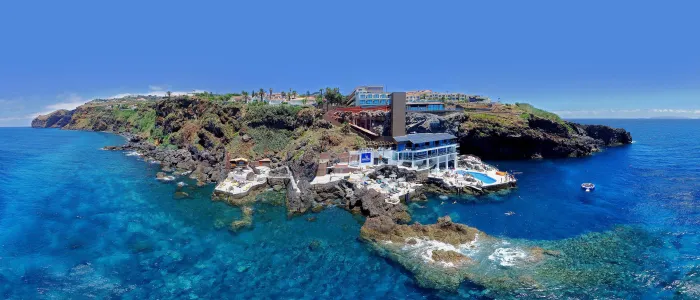
CANIçO, FUNCHAL, MADEIRA
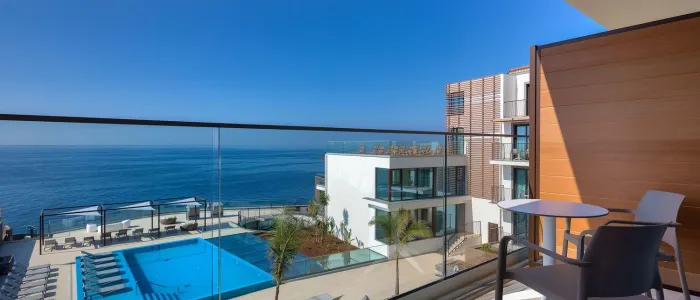
With a superb clifftop setting on Madeira’s quiet north-west coast, Sentido Galomar promises wide ocean views and easy access to the peaceful waters of Garajau Marine Nature Reserve. This adults-only hotel offers yoga, fitness sessions and spa treatments, so you can slow down and unwind or stay ac
Datu Wellness - Ayurveda Retreat
SALERNO, ITALY
Take a spectacular 18th-century palazzo and add a group of specially selected doctors, teachers, and therapists from India, and you get Datu Wellness – a transformative retreat that lets you experience authentic Ayurveda practices without the long-haul flight.
Six Senses Kaplankaya
BODRUM, TURKEY
The Turkish offering from the renowned Six Senses name, Kaplankaya offers contemporary luxury among scented olive groves and three private beaches. Here, wellness comes in the form of personalised treatments, yoga, and fitness classes. Other highlights include gourmet dining and attentive service.&n
Prakriti Shakti
KERALA, INDIA
This serene naturopathy clinic sits high in the misty hills of Panchalimedu, Kerala. It's a place for transformative holistic healing, with personalised programmes led by a skilled team of doctors and therapists, and service with a smile from an attentive team.
Kamalaya Wellness Sanctuary
KOH SAMUI, THAILAND
Tropical surroundings are lovely, but Kamalaya raises the bar with a spot on a sacred, forested Koh Samui hillside. This deeply transformative retreat takes a mind-body-spirit approach to wellness, an ethos that’s led to countless awards and secured its world-class reputation.
Mangosteen Ayurveda & Wellness Resort
PHUKET, THAILAND
This adults-only boutique hideaway has it all – a cloak of tropical greenery, nourishing food, a peaceful pool scene and, unusually for Thailand, a top-notch Ayurveda wellness offering. It’s also well-placed for exploring Phuket’s vibrant temples, cafés and beauty spots.
Our Habitas Bacalar
BACALAR, MEXICO
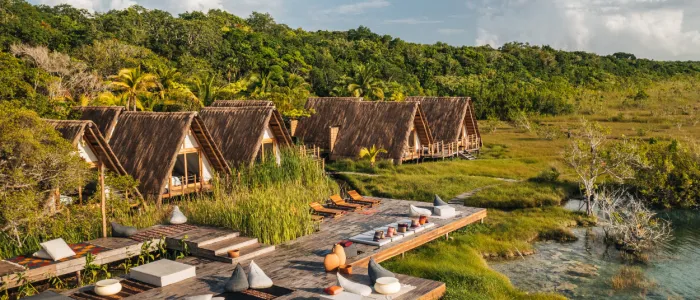
Just like the name suggests, Habitas refers to its properties as ‘homes’, rather than hotels. And this welcoming ethos sets the tone at this tranquil waterfront retreat, which overlooks Mayan jungle and a dreamy blue lagoon. Guests are promised serenity among nature while enjoying activities des
Our Habitas Tulum
TULUM, MEXICO
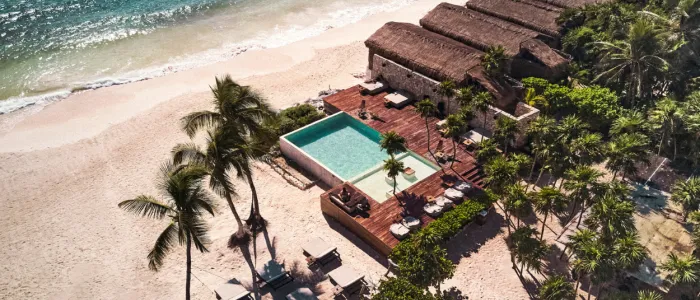
This immersive back-to-nature retreat, which the Habitas team calls a ‘home’ rather than a hotel, is sandwiched between the jungle and the Caribbean Sea. Highlights include a luxe bohemian aesthetic and a relaxed wellness offering that you can dip in and out of as much or as little as you like.
Santani Wellness Resort & Spa
KANDY, SRI LANKA
Santani, Sri Lanka’s first destination spa, has already received numerous awards, including Best Spa from Tatler and Best New Hotel from Condé Nast Traveller. Its name means 'in harmony with', in Sanskrit, which sums up the retreat's philosophy – it's a place to restore balance and fully relax
Sashwa River of Stars
KRUGER, SOUTH AFRICA
Wellness, wildlife and the South African wilderness combine at this soulful safari retreat, which has stylish lodges overlooking the majestic Olifants River. Other highlights include a saltwater swimming pool and a spa with a state-of-the-art infrared sauna.
Teranka Formentera
FORMENTERA, IBIZA
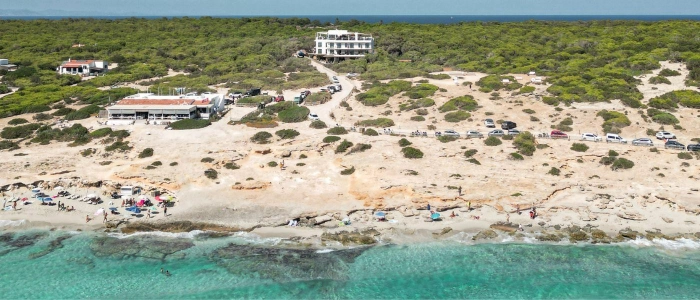
A luxury boutique hotel surrounded by scented pine forests and turquoise waters, Teranka is the ultimate Formentera hideaway. Along with a beachfront setting, soulful wellness experiences and wholesome Mediterranean cuisine, this adults-only retreat also promises plenty of bohemian charm.
COMO Point Yamu
PHUKET, THAILAND
This family friendly wellness resort has a headland setting on Phuket’s tranquil east coast, with views of Phang Nga Bay, luxe interiors by Paola Navone, a wealth of wellness facilities and a collection of contemporary rooms and suites.
The Body Camp Koh Samui
KOH SAMUI, THAILAND
The Body Camp is a high-energy adult-only escape that combines exercise, nutrition and mindset coaching, with first-class trainers, chefs and health professionals to guide you every step of the way. Mornings are energising and focused, with structured workouts designed to challenge and motivate you.
ZEM Wellness Clinic Altea
ALTEA, SPAIN
The latest addition to Europe's luxury wellness scene, ZEM Wellness Clinic sits in the peaceful hills above Altea on Spain's Costa Blanca. Here, cutting-edge medical care meets Mediterranean living to help you feel healthier for years to come.
Ayurveda Resort Mandira
BAD WALTERSDORF, AUSTRIA
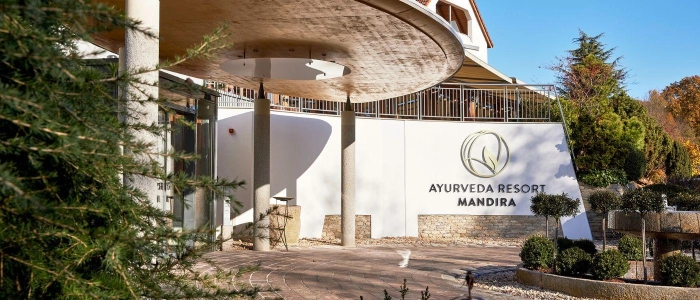
Ayurveda Resort Mandira combines authentic Ayurveda, healing thermal waters and holistic wellbeing in the peaceful Austrian countryside. This adults-only retreat offers a gentle introduction to Ayurveda in a comfortable European setting, making it ideal for those looking to reduce stress, improve th
Sun Gardens Dubrovnik
DUBROVNIK, CROATIA
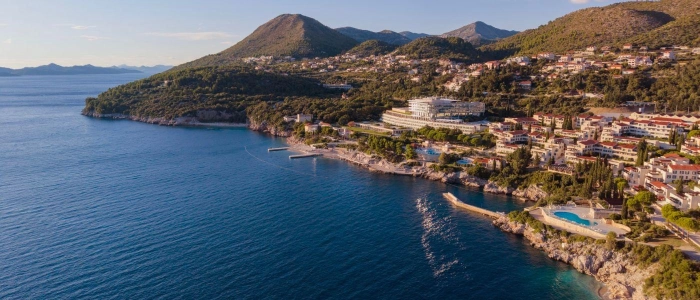
This coastal hideaway is set in expansive grounds with a backdrop of the sparkling Adriatic. Hotel features 16 bars and restaurants, and one of the largest spas on the Dalmatian coast. The location makes it easy to explore Dubrovnik’s historic Old Town, too.
Thermae Sylla Spa & Wellness Hotel
EDIPSOS, GREECE
This elegant hotel in Edipsos is fed by mineral-rich thermal waters from nearby springs. With a choice of pools, spa treatments, and restaurants, it’s a well-equipped retreat for relaxation, along with tailored wellness programmes dedicated to the likes of detox and weight loss.
The Body Camp Ibiza
SANTA GERTRUDIS , IBIZA
The Ibiza edition of the much-loved Body Camp retreats brings the same winning formula to a villa in the heart of the White Isle, right back where it all began. Expect a balanced mix of fitness, fun and relaxation in a like-minded group of adults, designed to leave you feeling stronger and well rest
Sentido Galosol
FUNCHAL, MADEIRA
Sentido Galosol combines wellness, adventure and coastal calm. With a cliffside perch on Madeira’s south-east coast, highlights include superb Atlantic views and direct access to the ocean, as well as plenty in the way of R&R, thanks to an adults-only spa and Ayurveda clinic at neighbouring ho
Asia Gardens Hotel & Thai Spa
ALICANTE, SPAIN
Nestled in the hills above the Costa Blanca, this luxe retreat brings a touch of Southeast Asia to Spain, pairing peaceful surroundings with thoughtful wellness experiences, impeccable service and an easy balance of relaxation, activities and family friendly amenities.
Siddhalepa Ayurveda Health Resort
WADDUWA, SRI LANKA
This intimate, adults-only retreat is for those seeking an authentic Ayurveda healing experience, with a team of doctors on hand to build a programme especially for your needs. You couldn’t ask for a better setting for inner reflection, either – the resort’s exotic gardens lead down to a golde
Lefay Resort & SPA Dolomiti
PINZOLO, ITALY
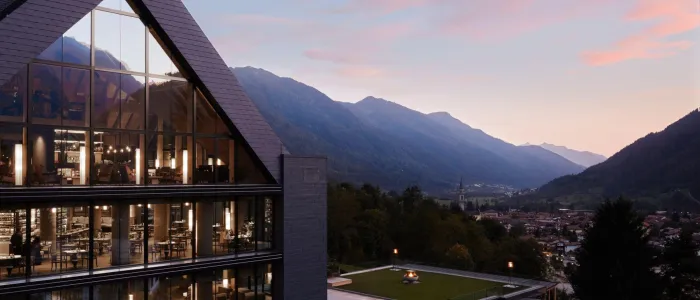
Set among the forested peaks of the UNESCO-listed Dolomites, Lefay Resort & SPA Dolomiti is the ultimate mountain retreat. Floor-to-ceiling windows, roaring fires, and soft leather seating welcome guests here, along with a 5,000-square-metre spa that ranks among the largest in the Alps.
Absolute Sanctuary
KOH SAMUI, THAILAND
Absolute Sanctuary is a boutique wellness retreat on Koh Samui, offering pioneering programmes built around the likes of Pilates, yoga, detox and holistic wellbeing. Cloaked in tropical gardens near pristine beaches, it’s a compact resort that combines expert guidance, mindful movement and nourish
COMO Castello Del Nero
TUSCANY, ITALY
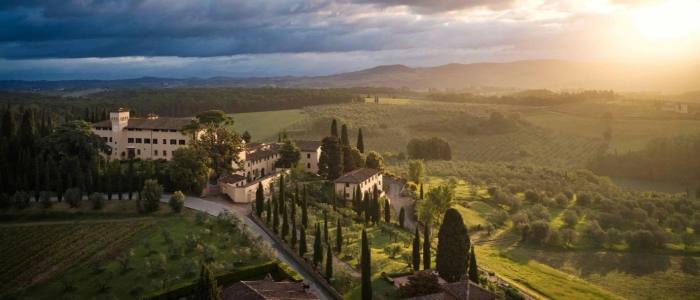
The newest addition to the COMO collection is a 12th-century castle nestled among Tuscany’s rolling hills. With Renaissance frescoes and vaulted ceilings throughout, the fairytale estate overlooks immaculate gardens, vineyards and olive groves. At its heart is the COMO Shambhala Retreat, known for
Shanti Maurice Resort & Spa
MAURITIUS, MAURITIUS
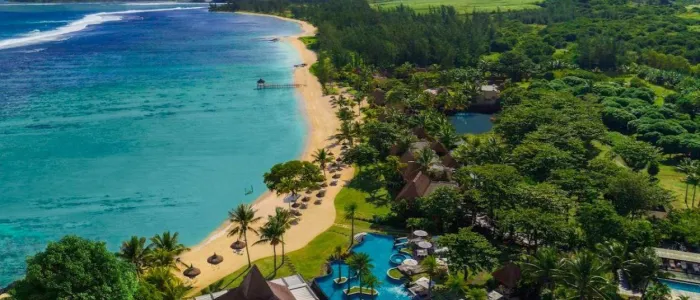
Shanti Maurice charms with a magical setting – think tropical gardens, private ivory beaches and a sheltered cove with a rainbow-hued coral reef. Then there’s a choice of palm-fringed pools, a great line-up of restaurants, and Mauritius’ largest spa…
Longevity Health & Wellness Hotel
ALVOR, PORTUGAL
An adults-only wellness retreat in one of the Algarve’s most peaceful pockets, Longevity combines medical expertise with holistic therapies in a striking hillside setting. Come for detox, diagnostics and deep relaxation, and leave feeling like a whole new you.
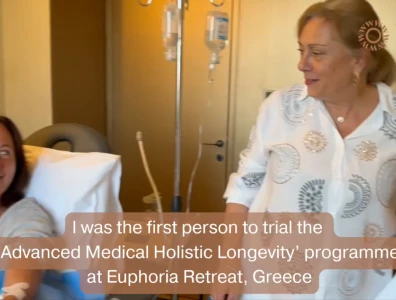
Holistic Medical Programmes at Euphoria Retreat
MYSTRAS, GREECE
This leading wellness destination sits in a leafy valley near Mystras, and specialises in holistic medical programmes. Personalised assessments and targeted therapies support anti-ageing, detoxification and cellular health, while the retreat’s spa, pools, Pilates and yoga facilities provide the ul
The View Bouznika
CASABLANCA, MOROCCO
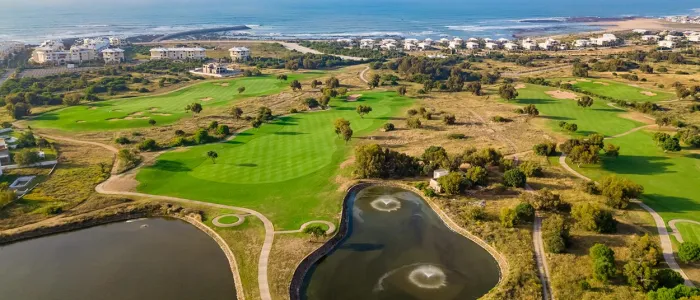
Set along a golden stretch of Atlantic coast, The View offers a lovely mix of beach, golf, and wellness. Highlights include a vast hydrotherapy-focused clinic, yoga and fitness classes, watersports, a sea-facing pool, multiple restaurants, and nearby championship golf.
Ananda in the Himalayas
UTTARANCHAL, INDIA
Famous for its seclusion and elegance, Ananda has hosted British royalty and Hollywood stars, making it one of India’s most celebrated wellness destinations. Its location is as dreamy as it gets, too – part of the 100-acre Maharaja Palace Estate, fringed by forest greens and overlooking the Rive
Manaltheeram Ayurveda Beach Resort
TRIVANDRUM, INDIA
If you’re searching for authentic Ayurveda in a tropical setting – in the birthplace of the ancient healing system, no less – this retreat should be on your list. Cloaked in palm trees and on Kerala’s Chowara Beach, it feels wonderfully removed from the everyday, and promises personalised we
Annabelle
PAPHOS, CYPRUS
This beachfront Paphos resort is all geared up for R&R, with a choice of pools, a rooftop spa with 360-degree views of the Mediterranean, and a ‘Food from the Village’ ethos that promises only the freshest local produce. Guests also benefit from access to Annabelle’s sister hotel, Almyra.
Glass House Retreat
BULPHAN, ESSEX, UNITED KINGDOM
The UK’s first purpose-built, eco-friendly wellness destination, Glass House Retreat combines world-class facilities with personalised programmes – not to mention contemporary good looks. No wonder it’s caught the attention of Condé Nast Traveller and wellbeing guru, Wim Hof, who’s hosted h
AyurSoma Ayurveda Retreat
TRIVANDRUM, INDIA
The newest member of the respected Somatheeram Ayurveda Hospitals group, AyurSoma offers personalised Ayurvedic therapies, Panchakarma programmes, yoga and meditation in a palatial-like resort on Chowara Beach. There’s also a heated outdoor pool for relaxing dips, organic cuisine to enjoy, and tro
Bahia Mar Boutique Hotel
VILANCULOS, MOZAMBIQUE
A boutique hideaway with just 22 rooms, Bahia Mar Boutique Hotel serves up peace and quiet in a dreamy beachfront setting. Days here are made up of top-notch spa therapies, boat trips to the Bazaruto Archipelago, infinity pool dips and health-conscious cuisine.
SHA Spain
EL ALBIR, ALICANTE, SPAIN
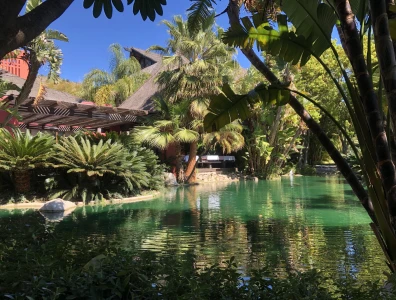
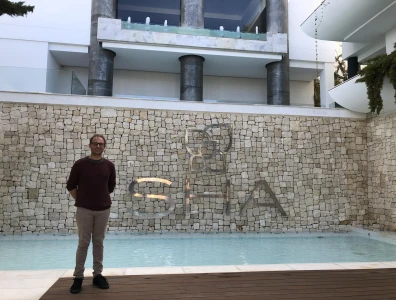
Perched above Albir on Spain’s Costa Blanca, SHA Spain is a world‑renowned wellness retreat. Award-winning programmes blend Eastern and Western therapies, personalised nutrition and expert-led fitness, while the SHA Academy offers daily guidance – a complete, transformative approach to wellbei
Fivelements
UBUD, BALI
Simplicity and wellness collide at this riverside retreat, which offers traditional holistic healing, a jungle pool and spa, space for yoga and meditation and rainbow-hued plant-based cuisine.
Lily of the Valley
SAINT-TROPEZ PENINSULA , FRANCE
Looking for a results-driven approach in a relaxed environment? You can lose weight while enjoying yourself at this ultra-chic hilltop resort, which combines its innovative Shape Club with stylish design by Philippe Starck, a private sandy beach and easy access to Riviera hotspots like Saint-Tropez.
Somatheeram Ayurveda Beach Resort
TRIVANDRUM, INDIA
With a setting on the buttery sands of Chowara Beach in Kerala, Somatheeram is an award-winning Ayurvedic resort where traditional architecture, dosha-based healing and daily yoga come together. Guests rate this serene, adults-only retreat for its ability to restore balance in tranquil, tropical sur
COMO Shambhala Estate
GIANYAR, BALI, BALI
A jungle-cloaked estate with a romantic design, the COMO Shambhala has everything you need in a wellness escape, including holistic treatments and hidden pools. It’s widely considered one of the world’s best, too – recognised by the likes of Vogue and Condé Nast Traveller.
“Finding Emotional Balance & Freedom” Retreat at Kamalaya
KOH SAMUI, THAILAND
A meaningful opportunity for those seeking deeper self-connection, greater emotional balance, and more fulfilling relationships. Guided by Kamalaya’s Life Enhancement Mentors are experienced teachers deeply rooted in ancient Asian philosophies and sacred practices
REVĪVŌ Wellness Resort
NUSA DUA, BALI
With luxe, minimalist design and tailored wellness programmes, this boutique hotel focuses on balance and restoration. True to its name, REVĪVŌ, (meaning ‘I’ll live again’), the retreat offers therapies designed to support your personal goals. It's home to just 22 suites and villas, too, whi
Zulal Wellness Resort - Serenity
AL RUWAIS, QATAR
For a peaceful escape where the desert meets the sea, consider Zulal Wellness Resort – where Chiva-Som’s world-renowned expertise shapes personalised programmes. Spa therapies, fitness, thermal suites and coastal views combine at this transformative, luxury retreat focused on mind, body and life
Shanti-Som Wellbeing Retreat
MALAGA, SPAIN
With just 15 rooms and a blanket of tropical gardens, this chic Spanish retreat offers serenity in spades. It’s also got an Asian-inspired design infused with Feng Shui principles, a sleek spa and personalised wellness programmes – all within the spectacular surrounds of Sierra de las Nieves Nat
Bhutan Spirit Sanctuary
PARO, BHUTAN
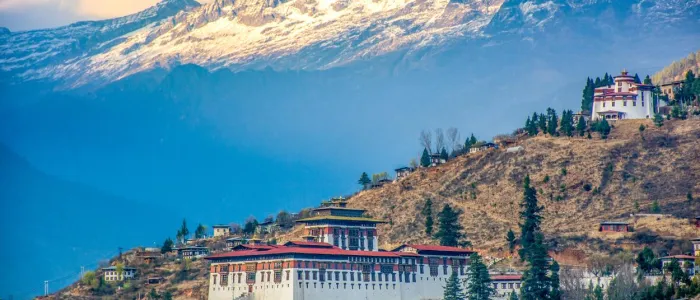
Perched high in the peaceful Neyphu Valley, this five-star retreat offers a quiet introduction to Bhutan’s celebrated happiness philosophy. Inspired by the calm simplicity of a modern monastery, the Sanctuary combines restorative therapies with time spent outdoors and beautifully prepared, nourish
OCÉANO Health Spa Hotel
SANTA CRUZ DE TENERIFE, TENERIFE
Whether you’re looking for a transformative Mayr detox or a relaxing break made up of sunshine and spa treatments, this contemporary oceanfront hotel will win you over. It’s wonderfully secluded, with views of the mountains, ancient woodland and Tenerife’s rugged coastline.
Wellbeing Escapes Yoga and Hiking Retreat in Greece
DIKASTIKA, GREECE
This adults-only small group seaside retreat is based in a charming clifftop villa. Daily yoga and massage, guided countryside hikes, plant-based meals, and visits to a local restaurant and farm are all part of the itinerary. With a maximum of eight participants, you can look forward to an intimate,
Six Senses Zighy Bay
DIBBA-MUSA, OMAN
Sleek Arabic design meets striking desert-to-sea scenery at the Six Senses Zighy Bay. Other highlights include villas with private pools, a superb mountaintop restaurant, nurturing wellness experiences and adventures on land and water.
COMO Maalifushi
THAA ATOL, MALDIVES
COMO Maalifushi is the only retreat in the Maldives’ Thaa Atoll, offering overwater villas, private pools, three restaurants, and the bliss-inducing COMO Shambhala Retreat. Come to explore the Crayola-coloured marine life, indulge in spa treatments, or experience family friendly activities – all
Alpino Atlantico
CANICO, FUNCHAL, MADEIRA
Alpino Atlantico is an adults-only retreat for authentic Ayurvedic healing, with a peaceful spot on Madeira’s south east coast. Expect personalised therapies, fresh vegetarian cuisine, yoga, meditation, and panoramic Atlantic views. Guests also have access to nearby spa and fitness facilities at t
COMO Cocoa Island
MAKUNUFUSHI, MALDIVES
Play castaway at this family friendly beachfront beauty in the South Malé Atoll, where overwater villas are styled like floating dhoni boats, and the holistic wellness offering spans everything from mindfulness practices to spa treatments carried out in earshot of the waves.
Preidlhof Luxury DolceVita Resort
SOUTH TYROL, ITALY
Wellness is King at this five-star retreat, which comes with a fairytale setting among green peaks. Guests can unwind in the award-winning spa and sauna tower, savour farm-to-table dining and enjoy outdoor adventures in the surrounding mountains – all to help restore inner balance.
Tia Wellness Resort
DA NANG CITY, VIETNAM
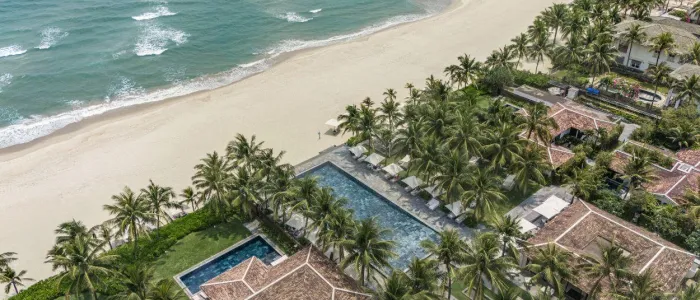
Nestled among tropical gardens on milky sands near Da Nang, TIA Wellness Resort delivers both style and R&R. It’s home to Vietnam’s largest spa, pairs expert-led programmes with sleek, monochrome villas (each with a private plunge pool), and offers easy access to local attractions.
Petit St Vincent Private Island Resort
PETIT ST VINCENT, PETIT ST VINCENT
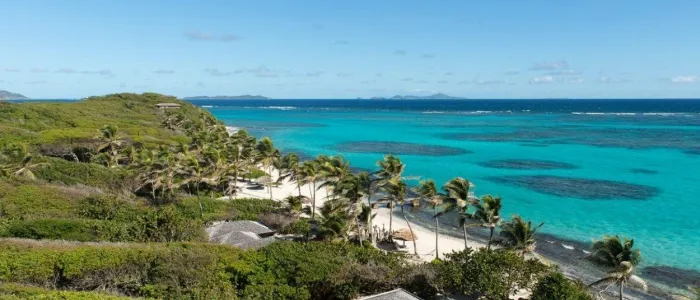
A hidden retreat in the Grenadines offering total privacy, barefoot luxury and castaway-style calm. With just a handful of cottages, pristine beaches and days shaped by the ocean, this private-island escape is all about switching off and slowing down in beautifully tropical surroundings.
BodyHoliday
GROS ISLET, SAINT LUCIA
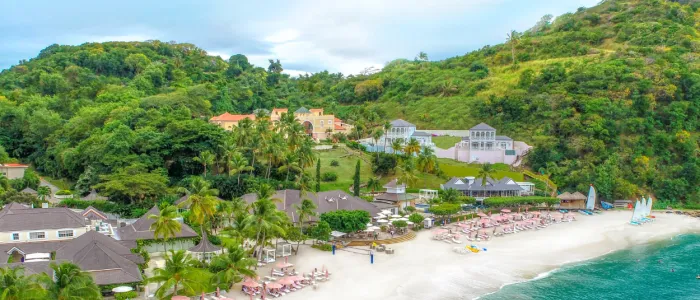
Simply put, guests come to BodyHoliday to feel good. This expansive resort sits among tropical gardens on a sweep of white sand, and counts Ayurvedic treatments, a fantastic line-up of fitness activities, and one of the Caribbean's hottest restaurants among its highlights.
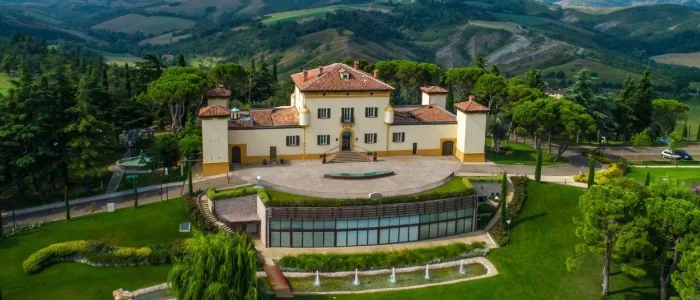
Palazzo di Varignana
BOLOGNA, ITALY
This beautifully resorted 18th-century villa is perched among hills and vineyards, offering elegant rooms, expansive gardens, and one of Italy’s most impressive spa complexes. The menus spotlight produce from the estate’s own farmland, and the culinary and cultural treasures of Bologna are withi
Anantara Peace Haven Tangalle Resort
TANGALLE, SRI LANKA
This luxury resort is tucked among 22 acres of tropical greenery on Sri Lanka’s south coast. It’s a great base if you want to explore the island, but there’s so much to enjoy here you might not want to leave. Relax on the private beach, lounge by the pool with a fresh coconut, or enjoy an auth
AMARA
LIMASSOL, CYPRUS
This luxury resort has a beachfront location, a huge spa, and an impressive dining scene – including a Michelin-starred Italian eatery. Add in a choice of stylish, contemporary rooms and you’ve got the ultimate relaxing base.
Amanwella
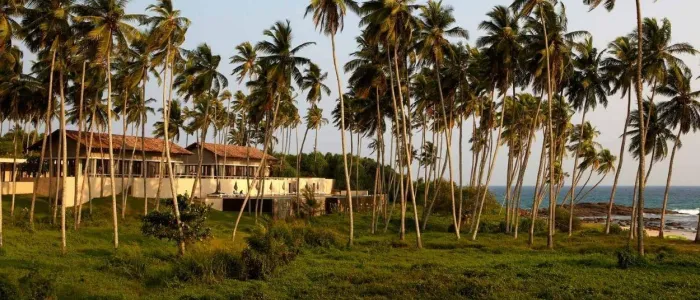
TANGALLE, SRI LANKA
Tranquillity is a given at Amanwella, a 30-suite hideaway blanketed in coconut palms on Sri Lanka’s south coast. Spa treatments are based on Ayurvedic traditions, and there’s a 47-metre infinity pool with a view of the tropical greenery.
Chenot Palace Weggis
WEGGIS, SWITZERLAND
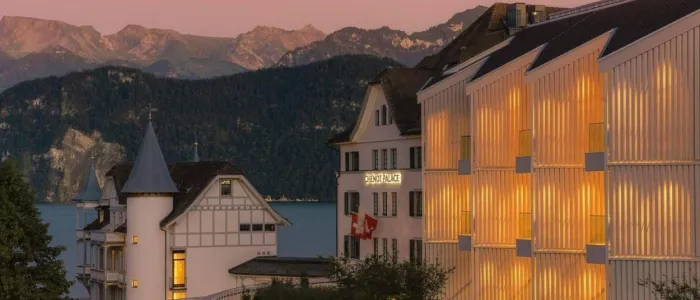
One of the world’s best medical spas, Chenot Palace Weggis is the brainchild of Spanish doctor Henri Chenot, who dedicated his life’s work to pioneering health and longevity. Along with cutting-edge diagnostics and therapies, the hotel offers a magical setting on the shores of Lake Lucerne.
Epic Sana Algarve
ALBUFEIRA, PORTUGAL
There’s no shortage of facilities at Epic Sana, whether you’re here for relaxation or keeping active. This modern, family friendly resort is home to five pools, a top-notch wellness hub, and six bars and restaurants. It’s also really well placed, just a short walk from one of the Algarve’s f
SwaSwara
KARNATAKA , INDIA
This serene, eco-conscious retreat is surrounded by coconut groves above Om Beach, where traditional villas and open courtyards immerse guests in nature. Daily yoga, meditation, Ayurveda treatments, and nourishing cuisine are designed to restore balance, while art classes, storytelling, and beach wa
Six Senses Ibiza
CALA XARRACA, IBIZA
This luxury resort from the renowned Six Senses name is on Ibiza's peaceful north coast. Along with design-led, island-inspired interiors and breathtaking sea views, guests can enjoy comprehensive wellness programmes – there’s a world-class spa, a longevity clinic and a never-ending list of trea
Lefay Resort & SPA Lago di Garda
LAKE GARDA, ITALY
Set high above Lake Garda, this striking resort blends modern architecture with terraces lined with olive trees and wide views over the Riviera dei Limoni. It’s ideal for wellness lovers, featuring a 4,300-metre spa with saunas, float therapy, and pools. There's also a spectacular outdoor infinity
Minos Palace Resort
AGIOS NIKOLAOS, CRETE, GREECE
A private Blue Flag beach, sleek minimalist design and the NAO Longevity Hub make Minos Palace a standout adults-only retreat. The wining and dining scene is seriously impressive, too, with gourmet cuisine and cocktails dreamt up by expert mixologists from Baba Au Rum.
JOALI BEING
BODUFUSHI, MALDIVES
The Maldives’ first dedicated wellness resort, JOALI BEING is a private eco-friendly retreat specialising in bespoke immersive programmes. Guests can relax in luxe, nature-inspired villas with private pools and a butler service and enjoy nutrition-led gourmet dining.
Porto Elounda Golf & Spa Resort
ELOUNDA, GREECE
With a breathtaking setting overlooking Mirabello Bay, this all-suite resort pulls out all the stops on the facilities front. There’s an award-winning Six Senses Spa, a choice of indoor and outdoor pools, and family friendly activities. Contemporary, Cretan-inspired design is a hallmark, too.